

Black Mold Removal Cost in Northwest Indiana: What Affects the Price and What Remediation Includes
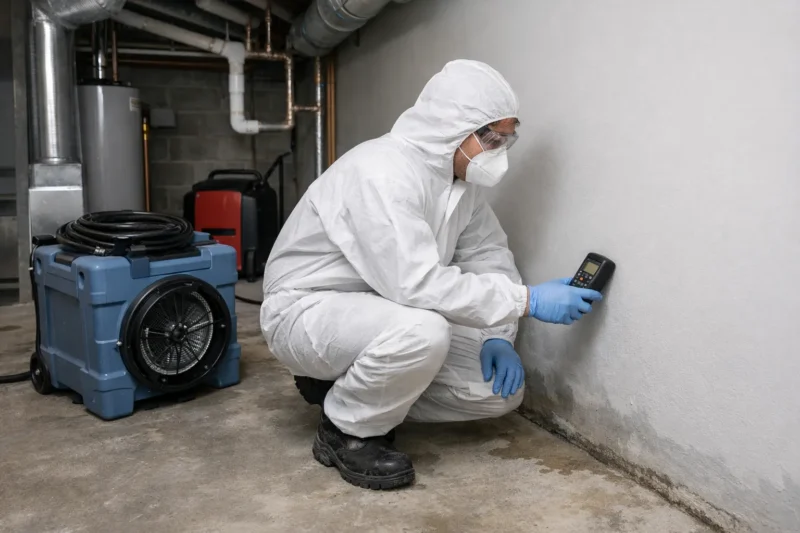
Finding black or dark mold on drywall, wood framing, flooring, or around a damp basement wall can make any property owner feel stuck. You want it gone quickly, but you also want to know what the work may involve before anyone starts removing materials or setting up equipment.
The honest answer is that mold remediation pricing depends on the conditions inside the property. A small area of surface mold caused by condensation is very different from mold growing behind finished walls after a long-term plumbing leak. In Northwest Indiana, where humid summers, lake-effect moisture, heavy rain, snowmelt, older housing, crawl spaces, and basements can all contribute to damp building materials, the source of moisture matters as much as the visible mold itself.
This guide explains the main black mold removal cost factors, what professional remediation usually includes, and when it is time to bring in a trained restoration team instead of trying to clean it yourself.
What “Black Mold” Means and Why Identification Matters
Many people use the phrase “black mold” to describe any dark mold they find indoors. In reality, mold can appear black, green, gray, brown, or white, and color alone does not identify the species. Some dark molds are commonly associated with wet cellulose materials such as drywall, paper backing, wood, and insulation, but a visual inspection cannot confirm the exact type.
That is why the practical concern is not just whether the mold is “the toxic kind.” Any indoor mold growth points to a moisture problem and can continue spreading if damp conditions remain. Mold can also affect indoor air quality, damage porous building materials, and create odors that do not go away with basic cleaning.
If you see dark staining, fuzzy growth, musty odors, or recurring spots after cleaning, treat the situation as a moisture and contamination issue. A professional assessment helps determine whether the problem is limited to a small surface area or has spread into hidden cavities, insulation, flooring layers, or HVAC-adjacent spaces.
What Affects Black Mold Removal Cost in Northwest Indiana?
Black mold removal cost is shaped by scope, safety controls, moisture correction, and the amount of material that must be cleaned or removed. A reputable restoration company should inspect the affected area before giving a meaningful scope of work because two rooms that look similar on the surface can require very different remediation plans.
Size of the affected area
The larger the contaminated area, the more labor, containment, filtration, cleaning, disposal, and verification are typically required. Mold that is limited to a small non-porous surface may be straightforward, while growth across multiple walls, ceiling cavities, subflooring, or crawl space framing is more involved.
How long the moisture has been present
Recent moisture problems may be easier to address than long-term dampness. A slow pipe leak, repeated seepage, roof leak, or chronic condensation issue can allow mold to spread behind materials before it becomes obvious. In Northwest Indiana, basements and crawl spaces can stay humid when ventilation, drainage, or dehumidification is not adequate, especially during warm and wet parts of the year.
The source of the water
Moisture source affects both remediation planning and safety precautions. Clean water from a minor supply line leak is different from sewage backup, contaminated floodwater, or water that has passed through dirty building cavities. If mold is connected to sewage or heavily contaminated water, cleanup may require additional protective measures and disposal procedures.
Materials involved
Non-porous materials such as metal, glass, and some sealed surfaces can often be cleaned when structurally sound. Porous materials such as drywall, carpet, padding, ceiling tiles, and some insulation may need removal when mold has penetrated them. Semi-porous materials such as wood framing may require detailed cleaning, controlled drying, and treatment depending on condition.
Accessibility and containment needs
Mold in an open utility room is easier to access than mold behind cabinets, under flooring, in an attic, or inside a tight crawl space. The need for containment also influences scope. When mold is disturbed, spores and debris can become airborne, so professionals may isolate the work area, use negative air pressure, and run HEPA filtration to reduce cross-contamination.
Whether repairs are included
Mold remediation and reconstruction are related but not always the same line item. Removing contaminated drywall, insulation, baseboards, or flooring may be part of remediation, while replacing and repainting those materials may be handled separately. The total project cost can change depending on how much rebuilding is needed after the affected materials are removed.
What Professional Mold Remediation Includes
Professional mold remediation is more than spraying a visible stain. The goal is to correct the moisture conditions, prevent contamination from spreading, remove or clean affected materials, and return the area to a dry, clean condition. For a deeper look at local services, 911 Restoration of Northwest Indiana provides mold removal in Northwest Indiana for residential and commercial properties.
Inspection and moisture assessment
The process usually begins with an inspection of visible mold, moisture patterns, odors, and affected building materials. Technicians may look for signs of leaks, seepage, condensation, past water damage, poor ventilation, or hidden dampness. The moisture source must be addressed, or mold can return after cleaning.
Containment of the work area
When remediation involves disturbing moldy materials, containment helps protect unaffected areas. This may include plastic sheeting, sealed work zones, negative air machines, and HEPA filtration. The level of containment depends on the size and location of the affected area.
Removal of unsalvageable porous materials
Drywall, insulation, carpet, padding, and other porous materials can trap mold below the surface. If these materials are contaminated or deteriorated, removal is often the safest and most effective option. Removed materials are typically bagged or contained before disposal to reduce the spread of debris.
Cleaning and treatment of remaining surfaces
Structurally sound materials that can be saved may be cleaned using professional methods such as HEPA vacuuming, damp wiping, abrasion, or other surface-specific techniques. The exact approach depends on the material, the extent of growth, and whether the surface can be cleaned without causing damage.
Drying and humidity control
Remediation is not complete if materials remain damp. Drying equipment, dehumidification, ventilation adjustments, and moisture monitoring may be needed to bring affected materials back to appropriate dry conditions. In Northwest Indiana homes, ongoing humidity control can be especially important in basements, crawl spaces, laundry areas, and poorly ventilated bathrooms.
Post-cleanup review
After remediation, the work area should be visibly clean, dry, and free of moldy debris. Some situations may also call for third-party testing or clearance, especially for larger projects, real estate transactions, or sensitive occupants. Testing needs vary by situation, so it should be recommended based on the property conditions rather than used as a one-size-fits-all add-on.
Why Mold Comes Back After Basic Cleaning
Many property owners try bleach, household cleaners, or paint when they first see black mold. That may make a stain look lighter for a short time, but it often fails when the mold is growing into porous materials or when the moisture source remains unresolved.
Mold returns when one or more of these conditions remain:
- A leak continues behind a wall, under a sink, or around a roof penetration.
- Basement or crawl space humidity stays high for long periods.
- Wet drywall, insulation, or carpet was never fully dried.
- Ventilation is poor in bathrooms, kitchens, laundry rooms, or attics.
- Water intrusion occurs repeatedly during heavy rain or snowmelt.
- Contaminated material was painted over instead of removed or cleaned properly.
Bleach can also be a poor fit for porous materials because it may not reach the growth below the surface. More importantly, cleaning visible mold without containment can spread spores and fine debris into adjacent rooms. If the growth is more than a minor surface issue, or if there is a musty odor you cannot locate, professional remediation is the safer path.
Local Conditions That Can Influence Mold Problems
Northwest Indiana properties face a mix of moisture challenges. Communities near Lake Michigan can experience humid air and moisture swings, while inland areas still deal with seasonal rain, snow, and warm-weather humidity. Older homes in places such as Gary, Hammond, Whiting, and East Chicago may have aging plumbing, older windows, and foundation moisture issues, while newer homes in growing areas such as Valparaiso, Portage, Chesterton, and nearby communities can still develop mold if ventilation or drainage is inadequate.
Common local mold triggers include:
- Basement dampness after rain or snowmelt
- Crawl space humidity and exposed soil moisture
- Condensation around windows, cold walls, or poorly insulated areas
- Bathroom exhaust fans that vent poorly or are not used long enough
- Roof or siding leaks after storms
- Appliance leaks from water heaters, washers, refrigerators, or dishwashers
- Past water damage that was dried incompletely
Commercial properties have their own risk factors, including roof drainage issues, plumbing chases, shared walls, mechanical rooms, and high-traffic areas where moisture problems can go unnoticed. If a business smells musty or shows recurring staining, quick assessment helps protect the building and reduce disruption.
How to Prepare for a Mold Remediation Estimate
Before a professional arrives, a few simple steps can help the inspection go smoothly. You do not need to tear into walls or move contaminated materials yourself. In fact, disturbing mold before containment is in place can make cleanup more complicated.
Helpful steps include:
- Make a note of when you first noticed the mold, odor, or water issue.
- Identify any recent leaks, flooding, roof problems, plumbing repairs, or appliance overflows.
- Avoid spraying chemicals or painting over the area before the inspection.
- Keep people and pets away from visibly contaminated spaces if possible.
- Do not run fans directly across moldy materials.
- Take photos for your own records if you can do so safely.
- Gather insurance information if the mold may be related to a covered water damage event.
A thorough estimate should explain the suspected moisture source, affected areas, recommended containment, materials that may need removal, cleaning methods, drying needs, and whether repairs are included. If you need service details for a specific property type, the local team also outlines mold removal services in Northwest Indiana for homes and businesses.
Insurance, Documentation, and Choosing a Remediation Team
Insurance coverage for mold depends on the policy and the cause of the moisture. Mold resulting from a sudden water damage event may be handled differently than mold caused by long-term seepage, maintenance issues, or humidity. Because policies vary, it is best to document the damage, contact your insurance provider, and ask what they require before authorizing non-emergency repairs.
Documentation can help you understand the project and communicate with your insurer. Useful records may include photos, moisture findings, a written scope of work, disposal notes, and repair recommendations. For larger projects, independent testing or clearance documentation may also be appropriate.
When choosing a remediation company, look for clear communication and a process that focuses on source correction, containment, safe removal, drying, and cleanup. Ask what areas will be contained, what materials are expected to be removed, how remaining surfaces will be cleaned, and how the company will confirm the area is dry and ready for repairs. You can also review available company information such as certificates and credentials before scheduling work.
Be cautious of anyone who gives a firm mold remediation price without understanding the size of the affected area, the material types, and the moisture source. A responsible scope should be based on the property conditions, not only on a quick glance at a stain.
FAQ
Can I estimate black mold removal cost from photos?
Photos can help start the conversation, but they usually cannot show hidden moisture, wall cavity growth, insulation damage, or the full extent of contamination. An on-site inspection is the best way to determine the remediation scope and whether materials need cleaning, removal, drying, or repair.
Is all black mold dangerous?
Not all dark-colored mold is the same species, and color alone does not determine health risk. However, any indoor mold growth should be taken seriously because it indicates excess moisture and can affect materials and indoor air quality. The safest approach is to correct the moisture source and remove the growth properly.
Can I remove black mold myself?
Small surface spots on non-porous materials may be manageable with careful cleaning and moisture correction. Professional help is recommended when mold covers a larger area, keeps returning, involves porous materials, follows water damage, or is located inside walls, crawl spaces, HVAC-adjacent areas, or occupied commercial spaces.
Will mold come back after remediation?
Mold can return if the moisture problem is not fixed. Proper remediation includes drying, cleaning or removing affected materials, and identifying the conditions that allowed the mold to grow. Ongoing humidity control, leak repairs, and ventilation improvements help reduce the chance of recurrence.
Who should I call for mold removal in Northwest Indiana?
For a local assessment and a remediation plan based on your property conditions, contact 911 Restoration of Northwest Indiana at (219) 255-4163. The team can evaluate the affected area, explain the next steps, and help you move toward a clean, dry space.