

Basement Sewage Cleanup in Northwest Indiana: Health Risks and Safe Next Steps
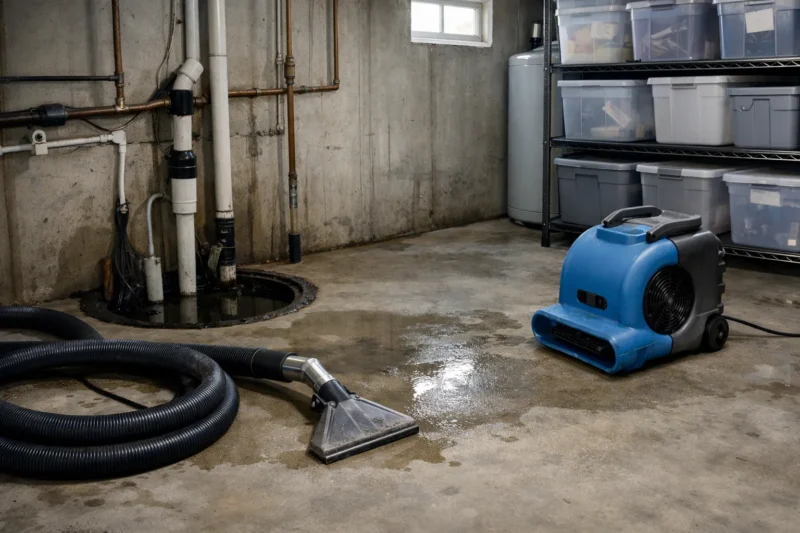
A sewage backup in the basement is not just a messy plumbing problem. It can turn a finished rec room, laundry area, storage space, or utility room into a contaminated environment where every step matters. If wastewater has come up through a floor drain, toilet, shower, laundry line, or utility sink, the safest move is to stay out of the affected area and treat the situation as a health hazard until it has been properly cleaned and sanitized.
Basement sewage problems are especially stressful in Northwest Indiana because many homes rely on below-grade spaces for storage, mechanical systems, and everyday living space. Heavy rain, rapid snowmelt, aging sewer laterals, clogged drains, and sump or ejector pump issues can all contribute to wastewater backing into the lowest part of a home. Whether you live in Hammond, Gary, Portage, Valparaiso, Chesterton, or another nearby community, the priority is the same: protect your household first, then stop the source and begin safe cleanup.
Basement sewage cleanup should be handled carefully because the water may contain bacteria, viruses, parasites, chemicals, and decaying organic matter. Even a small backup can spread contamination beyond what is visible on the floor. The steps below explain the risks, what you can do immediately, and why professional restoration is often the safest path after sewage enters a basement.
Why Basement Sewage Backups Happen in Northwest Indiana Homes
Basements are vulnerable because they sit below the surrounding grade and often contain plumbing fixtures, floor drains, laundry connections, water heaters, furnaces, and sump or ejector pump systems. When a drain line is blocked or a sewer system becomes overloaded, wastewater can follow the path of least resistance and surface through the basement.
Common contributors include:
- Heavy rain and saturated ground: Northwest Indiana weather can bring intense rain events that overwhelm drainage around a property. When soil is saturated, pressure around foundations and sewer lines can increase.
- Snowmelt and spring thaw: Winter weather followed by warmer temperatures can send a rush of water into local drainage systems and around homes.
- Tree root intrusion: Roots can enter small openings in older sewer laterals and grow into thick obstructions.
- Grease, wipes, and debris: Items that do not break down easily can create clogs in household drains or sewer lines.
- Failed sump or ejector pump components: If a pump stops working or a check valve fails, water and waste can back up where they should not.
- Aging plumbing: Older homes in established Northwest Indiana neighborhoods may have drain or sewer components that are more vulnerable to cracks, offsets, corrosion, or settling.
The exact cause is not always obvious during the first hour of a backup. A restoration team can address the contaminated area, while a qualified plumber or utility provider may be needed to identify and correct the plumbing source. Cleanup should not wait for cosmetic damage to appear, because sewage contamination and moisture can affect materials quickly.
What Makes Basement Sewage Cleanup So Hazardous
The danger of sewage is not limited to odor or visible waste. Wastewater may carry microorganisms and contaminants that can cause illness through skin contact, inhalation of aerosolized particles, or accidental transfer from shoes, gloves, tools, or belongings. Children, older adults, pregnant people, and anyone with a weakened immune system can be more vulnerable to exposure.
Contamination Spreads Easily
When sewage enters a basement, it can move under flooring, behind baseboards, into wall cavities, beneath cabinets, and around stored items. Concrete may look solid, but cracks, floor joints, and porous surfaces can hold moisture and residue. Carpet, padding, upholstered furniture, cardboard boxes, insulation, and some wood products can absorb contaminated water quickly.
Walking through the area can carry contaminants into stairways, kitchens, bathrooms, and living rooms. Pets can do the same. That is why it is important to limit access, close doors if possible, and avoid moving wet contents through clean areas unless they have been contained.
Odor Is Not the Only Warning Sign
A strong sewer smell is a clear red flag, but the absence of a strong odor does not mean the area is safe. If water came from a toilet overflow involving waste, a floor drain backup, a sewage ejector issue, or a main line backup, treat it as contaminated. Clear-looking water can still be unsafe if it has contacted sewage residue or backed up through a drain.
Mold Can Follow Moisture Problems
After the sewage is removed, moisture can remain in drywall, trim, flooring, framing, and stored contents. Northwest Indiana’s humid warm season can make damp basements slow to dry without professional equipment. If materials stay wet, mold can become an additional concern and may require more extensive remediation.
Immediate Steps to Take After a Basement Sewage Backup
Your first actions should reduce exposure and prevent the problem from spreading. Do not rush downstairs to start mopping before you know whether the area is safe.
- Keep people and pets away. Block off the basement stairs or doorway. Do not allow children or animals into the affected area.
- Avoid contact with the water. Do not step into sewage without appropriate protective equipment. If you have already been exposed, remove contaminated clothing and wash thoroughly.
- Do not use plumbing fixtures if they worsen the backup. Stop flushing toilets, running the washing machine, using sinks, or taking showers until the source has been evaluated.
- Think about electrical hazards. If water is near outlets, extension cords, appliances, the electrical panel, or HVAC equipment, stay out. Do not touch electrical devices while standing in water. If power needs to be shut off, do it only if you can reach the breaker safely from a dry location.
- Ventilate cautiously. If you can open windows from a safe, dry area, fresh air may help with odor. Do not use fans that can blow contaminated droplets or particles into clean spaces.
- Document visible damage from a safe distance. Photos and notes may help when speaking with your insurance provider. Avoid walking through the water just to take pictures.
- Call for professional help. Sewage cleanup requires extraction, removal of unsalvageable materials, cleaning, sanitizing, and drying. The sooner the process begins, the easier it is to limit secondary damage.
If the backup appears connected to a municipal sewer issue, you may also need to contact the appropriate local authority. If it appears isolated to your home, a plumber may need to clear or repair the line. In either case, cleanup and sanitization should address the contamination already inside the basement.
What Not to Do During a Sewage Cleanup Emergency
Good intentions can make a sewage loss worse. Homeowners often want to start disinfecting immediately, but household cleaning methods are not enough for many sewage situations and can increase exposure.
- Do not use a household vacuum or standard shop vacuum. Equipment not designed for contaminated water can spread pathogens and may be unsafe to use around wet electrical components.
- Do not rely on bleach alone. Disinfection requires proper cleaning first, appropriate products, contact time, and access to contaminated surfaces. Bleach can also damage materials and create fumes when mixed with other cleaners.
- Do not keep contaminated porous items without evaluation. Carpet padding, mattresses, upholstered furniture, cardboard, and some particleboard items may not be safely restorable after sewage exposure.
- Do not run the HVAC system if contamination may be near returns or equipment. Air movement can distribute odors and particles through the home.
- Do not assume a dry-looking surface is clean. Residue can remain after water recedes, especially on textured concrete, grout, framing, and the backs of finished materials.
- Do not delay because the backup looks small. A limited spill can still affect hidden cavities and stored contents.
If you need professional sewage backup cleanup in Northwest Indiana, a trained restoration crew can separate what can be cleaned from what must be removed, reducing the chance of cross-contamination.
How Professional Basement Sewage Cleanup Works
Professional basement sewage cleanup is a controlled process. The goal is not only to remove visible water and debris, but also to reduce contamination, dry the structure, and help the home return to a safe condition.
Inspection and Safety Planning
The first step is assessing the affected area, identifying safety concerns, and determining how far the contamination has spread. Technicians look at the source, the type of materials affected, the depth and movement of water, and whether electrical, HVAC, or structural elements are involved. They may also set up containment practices to keep clean areas separate from contaminated zones.
Extraction and Gross Debris Removal
Standing wastewater and solid debris must be removed with equipment and procedures appropriate for contaminated materials. This step reduces immediate exposure risk and prepares surfaces for cleaning. It also helps technicians see which building materials have absorbed water.
Removal of Unsalvageable Materials
Some items cannot be safely cleaned after sewage exposure. This may include carpet padding, heavily contaminated carpet, saturated drywall, insulation, cardboard storage, and certain porous furnishings. The decision depends on the material, the level of contamination, and whether it can be fully cleaned and dried.
In finished basements, baseboards, lower drywall sections, flooring layers, and built-in cabinetry may need careful evaluation. In unfinished basements, technicians still need to address contaminated concrete, framing, utility areas, and stored belongings.
Cleaning, Sanitizing, and Deodorizing
After removal and extraction, affected surfaces are cleaned to remove soil and residue. Sanitizing products are then applied according to appropriate procedures. Odor control is part of the process, but covering up sewer smell is not the same as cleaning. Odor should improve as contamination is removed, surfaces are treated, and the basement is dried.
For homes that need a broader hygiene reset after a sewage event, professional sanitization services can help address affected surfaces and reduce lingering concerns in nearby areas.
Drying and Moisture Monitoring
Drying is essential after sewage cleanup. Moisture may remain in concrete, framing, subfloor materials, wall cavities, and utility room surfaces. Restoration professionals use drying equipment and moisture checks to help confirm that affected materials are moving toward a dry condition. This step is especially important in Northwest Indiana basements, where humid weather and limited natural ventilation can slow drying.
Repair Planning
Once the area is clean and dry, repairs can begin. Depending on the damage, this may involve replacing drywall, trim, flooring, insulation, or other materials. A good restoration process keeps cleanup and drying ahead of cosmetic repairs so contamination is not sealed behind new finishes.
Protecting Your Basement After Cleanup
After the immediate emergency is handled, take time to reduce the chance of another backup. Not every sewage event can be prevented, but practical maintenance can lower risk and help you notice warning signs earlier.
Watch for Early Plumbing Warning Signs
Slow drains, gurgling toilets, sewer odors near floor drains, water backing up into a tub or shower when another fixture runs, or repeated clogs can signal a larger drain problem. If several fixtures act up at the same time, the issue may be beyond one sink or toilet. Addressing these signs early can help prevent a basement backup.
Maintain Pumps and Backflow Protection
If your basement has a sump pump or sewage ejector pump, follow maintenance recommendations from the manufacturer or a qualified plumbing professional. Ask whether a battery backup, alarm, check valve service, or backwater valve is appropriate for your home. These systems need to be installed and maintained correctly to be useful.
Store Belongings with Basement Risk in Mind
Basements in Northwest Indiana often serve as storage for seasonal items, tools, holiday decorations, sports gear, and keepsakes. Store important belongings in sealed plastic containers rather than cardboard. Keep items off the floor when possible, and avoid storing irreplaceable documents or photos in areas near floor drains or sump pits.
Improve Drainage Around the Home
Roof runoff, clogged gutters, poor grading, and downspout discharge near the foundation can add water pressure around a basement. While drainage improvements will not fix a sewer clog, they can help reduce water stress around the home during rain and thaw cycles. A plumber, drainage contractor, or restoration professional can help you decide which concerns are most relevant to your property.
When a backup does happen, the most important thing is to act quickly and safely. A dedicated sewage cleanup service can help with contaminated water removal, cleanup, drying, and restoration planning so your basement is not left with hidden hazards.
FAQ
Can I clean a small basement sewage backup myself?
It is safest to treat any sewage backup as contaminated, even if the area looks small. If wastewater touched porous materials, entered cracks, or spread near electrical or HVAC equipment, professional cleanup is strongly recommended. At minimum, stay out of the area and avoid direct contact until the risk has been evaluated.
What items usually need to be thrown away after sewage exposure?
Items that absorb contaminated water are often difficult or impossible to sanitize fully. Carpet padding, mattresses, upholstered furniture, cardboard boxes, some pressed-wood furniture, and saturated insulation are common concerns. Nonporous items may be cleanable if they can be properly washed, sanitized, and dried.
How long does basement sewage cleanup take?
The timeline depends on the amount of wastewater, how far it spread, what materials were affected, and how much drying is needed. A small unfinished basement area may be simpler than a finished basement with carpet, drywall, and stored contents. A restoration professional can give a clearer scope after inspecting the damage.
Will homeowners insurance cover sewage backup cleanup?
Coverage depends on your policy and whether you have sewer or drain backup coverage. Contact your insurance provider as soon as possible, document what you can from a safe distance, and avoid discarding items until you understand any documentation requirements. A restoration company can often provide cleanup documentation for your claim process.
Who should I call first, a plumber or a restoration company?
If sewage is actively entering the basement, you may need a plumber to stop or diagnose the source and a restoration company to handle contamination already inside the home. If there are electrical hazards or unsafe conditions, stay out of the basement and ask for guidance before entering. For basement sewage cleanup in Northwest Indiana, call 911 Restoration of Northwest Indiana at (219) 255-4163.