
When To Schedule A 24/7 Mold Inspection In Northwest Indiana
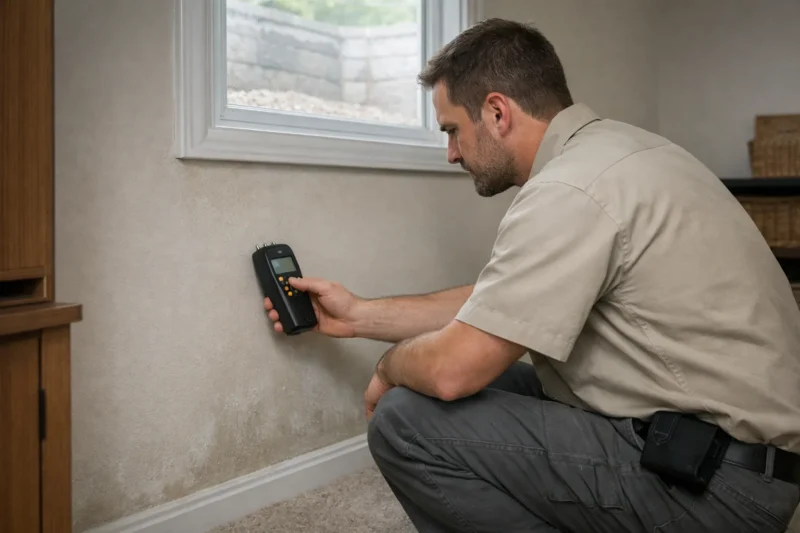
A musty smell in a hallway, dark spotting near a window, or a damp patch that keeps returning after heavy rain can leave you wondering how urgent the problem really is. In Northwest Indiana, where humid summers, lake-effect moisture, heavy rain, and snowmelt can all affect buildings, mold concerns should not be brushed aside when moisture is still present or the source is unclear.
Mold is not only a surface issue. It can develop behind drywall, under flooring, inside cabinets, around insulation, and in crawl spaces or basements where air movement is limited. If you recently had water damage, noticed a persistent odor, or found growth in an area that stays damp, scheduling a 24/7 mold inspection can help you understand what is happening before the problem spreads.
The right time to call is usually earlier than most property owners think. You do not need to wait until mold covers a wall or affects multiple rooms. A prompt inspection can identify moisture sources, help determine whether professional cleanup is needed, and give you a clearer path toward restoring a safer indoor environment.
Why Mold Concerns Are Different In Northwest Indiana
Northwest Indiana properties experience a mix of weather and building conditions that can make moisture problems complicated. Homes and businesses in communities such as Gary, Hammond, Portage, Valparaiso, Chesterton, East Chicago, and nearby areas may deal with humid air from the Lake Michigan region, summer storms, roof leaks, drainage issues, and moisture left behind after winter snow and ice.
The local housing stock also varies widely. Some properties have basements, others have crawl spaces or slab foundations, and many older buildings have additions, aging plumbing, or ventilation gaps that allow moisture to collect in hidden spaces. Commercial properties can have their own risks, such as roof penetrations, HVAC condensation, plumbing in shared walls, or moisture in storage areas.
Mold needs moisture and organic material to grow. Drywall, wood framing, insulation paper, dust, and ceiling tiles can all support growth if damp conditions linger. Because the source of moisture is not always obvious, a visual spot of mold may be only one sign of a larger humidity or water intrusion issue.
A mold inspection is especially useful when you are not sure whether you are seeing old staining, active growth, or water damage that could become a mold problem. It helps connect the visible symptoms with the conditions causing them.
When To Schedule A 24/7 Mold Inspection
You should consider a 24/7 mold inspection any time a moisture event creates uncertainty about what is happening inside your property. Mold concerns can appear after a sudden emergency, but they can also build slowly from small leaks or humidity that goes unnoticed.
After Water Damage Or A Plumbing Leak
If a pipe bursts, a water heater leaks, a supply line fails, or a bathroom fixture overflows, moisture can move into walls, flooring, trim, and cabinets. Even when the surface looks dry, porous materials may still hold moisture. An inspection is a smart step if water was present for an unknown amount of time, if you cannot fully dry the affected area, or if you begin to smell mildew afterward.
Leaks under sinks, behind toilets, around washing machines, and near dishwashers are common examples. These spaces are often enclosed, which means moisture may remain trapped long after the first cleanup attempt.
After Heavy Rain, Seepage, Or Snowmelt
Northwest Indiana properties can take on moisture during heavy rain, rapid snowmelt, or poor drainage around the foundation. If you notice seepage along a basement wall, damp carpet near an exterior wall, water staining around windows, or recurring puddling in a crawl space, it is worth scheduling an inspection.
Water entering from outside can carry dirt and contaminants, and it may affect materials that are difficult to dry without the right equipment. Repeated moisture intrusion also increases the chance that mold will return unless the source is corrected.
When You Notice A Persistent Musty Odor
A musty smell is one of the most common reasons to call for help, especially when you cannot find visible mold. Odor can come from damp carpet padding, wet insulation, contaminated HVAC components, or growth behind walls. If the smell gets stronger when the air conditioning or heat runs, or if it is concentrated in one room, closet, basement, or utility area, an inspection can help narrow down the source.
Do not rely on air fresheners or cleaning sprays to solve the problem. If moisture remains, odor often returns and the underlying issue continues.
When You See Visible Growth Or Recurrent Staining
Dark, green, gray, white, or fuzzy growth on walls, ceilings, wood, or contents should be taken seriously. Staining that keeps returning after cleaning can also indicate moisture behind the surface. Mold on porous materials is not always removable with basic household cleaning, and disturbing a contaminated area may spread particles to nearby rooms.
If growth covers more than a small, isolated surface, appears near water damage, or is found in multiple areas, professional guidance is the safer option. 911 Restoration of Northwest Indiana provides mold removal in Northwest Indiana for properties where inspection findings show that remediation is needed.
After Sewage, Stormwater, Or Fire-Related Water Exposure
Mold concerns are not limited to clean water leaks. Sewage backups, stormwater intrusion, and the water used during fire response can all leave moisture and contamination behind. These situations should be handled with extra caution because porous building materials may be affected in ways that are not visible at first glance.
If your property experienced a sewage backup or fire-related water damage, do not wait for odors or visible mold to develop. A prompt inspection can help determine what areas are affected and what type of cleanup is appropriate.
Warning Signs That Should Not Wait
Some mold concerns can be scheduled during normal planning, but others should be addressed as soon as possible. The more moisture is involved, the more urgent the inspection becomes.
Schedule help promptly if you notice any of the following:
- A strong musty odor after a leak, flood, or sewage backup
- Visible growth on drywall, trim, cabinets, attic sheathing, basement walls, or stored belongings
- Water stains that expand, darken, or return after cleaning
- Soft, swollen, or crumbling drywall or baseboards
- Damp carpet, padding, or wood flooring that does not dry completely
- Condensation that repeatedly forms on windows, walls, pipes, or HVAC components
- Mold-like spotting near vents or inside closets with poor airflow
- Odors or symptoms that seem worse in one part of the building
If there is standing water near electrical outlets, sagging ceilings, or structural instability, avoid entering the area until it is safe. Mold inspection is important, but immediate safety comes first.
It is also wise to schedule an inspection before you start tearing out materials on your own. Removing drywall, pulling carpet, or scraping mold without containment can spread contamination. A professional inspection helps determine the scope of the issue before cleanup begins.
What Happens During A Professional Mold Inspection
A mold inspection is not just a quick look at the stain you found. The goal is to understand where moisture is coming from, what materials may be affected, and whether the conditions support mold growth.
While every property is different, a professional inspection may include:
- A conversation about leaks, flooding, odors, humidity, plumbing issues, or recent restoration work
- A visual review of affected rooms and nearby areas where moisture may have traveled
- Checking common problem areas such as baseboards, cabinets, ceilings, crawl spaces, basements, utility rooms, and HVAC-adjacent spaces
- Looking for signs of water intrusion, staining, condensation, material deterioration, and poor ventilation
- Using moisture-detection tools where appropriate to help identify damp building materials
- Recommending next steps based on the findings, which may include drying, containment, removal of affected materials, or further evaluation
The inspection should help answer practical questions: Is the area still wet? Is the source ongoing? Are porous materials affected? Can the problem be cleaned, or does it need a more involved remediation plan?
If remediation is needed, professional mold remediation services in Northwest Indiana can help address both the visible mold and the conditions that allowed it to develop. Cleanup without moisture control often leads to repeat problems.
Situations Where A Mold Inspection Helps You Make Better Decisions
Mold inspections are not only for emergencies. They can also help property owners, landlords, business operators, and buyers make informed decisions before a moisture problem becomes more expensive or disruptive.
Before Buying Or Selling A Property
If a home or commercial property has a history of water intrusion, basement seepage, roof leaks, or previous mold cleanup, an inspection can provide helpful information. It can also identify areas that need attention before listing, moving in, or negotiating repairs.
This is especially relevant in older Northwest Indiana homes where past water stains may be visible but the current condition is unclear. Not every stain means active mold, but moisture readings and a professional review can help separate old cosmetic damage from an active concern.
Before Reopening A Closed Or Vacant Space
Vacant homes, seasonal spaces, storage rooms, and unused commercial areas can develop humidity issues because air circulation is limited. If a property has been closed up during humid weather or left without regular maintenance, inspect it before bringing in occupants, inventory, or equipment.
Signs such as stale air, condensation, warped materials, or spotting on stored items should be evaluated before the space is fully used again.
After HVAC Or Ventilation Problems
Air conditioning helps manage indoor humidity during Northwest Indiana summers, but HVAC problems can create damp conditions. Condensate line clogs, poor drainage, dirty coils, or inadequate ventilation may contribute to moisture near mechanical equipment or vents.
If you notice mold-like spotting around vents, a musty smell when the system runs, or condensation that does not resolve, a mold inspection can help determine whether the issue is isolated or connected to a larger moisture problem.
For Rental And Commercial Properties
Landlords and business owners often need to act quickly because mold concerns can affect tenants, employees, customers, inventory, and operations. A prompt inspection helps document conditions, identify the affected area, and plan cleanup in a way that reduces disruption.
Commercial buildings in the region may include offices, retail spaces, warehouses, medical offices, schools, restaurants, and industrial support properties. Each building type has different moisture risks, so the inspection should be tailored to the space rather than treated as a one-size-fits-all checklist.
What To Do Before The Inspection Team Arrives
While you are waiting for a professional assessment, your goal is to reduce exposure, prevent additional moisture, and avoid spreading contamination. Do only what is safe and reasonable for your situation.
Helpful steps include:
- Stop the water source if you can do so safely, such as turning off a supply valve.
- Avoid touching, scraping, or spraying visible growth.
- Keep people away from the affected area, especially if materials are damp or odors are strong.
- Do not run fans directly on suspected mold, because airflow can spread particles.
- Move dry, unaffected belongings away from the damp area if it is safe to do so.
- Take photos of visible damage for your records before anything changes.
- Write down when you first noticed the moisture, odor, or staining.
Try not to cover up the problem area with paint, plastic, or stored items before the inspection. Covering a stain may hide evidence that helps identify the source. Painting over mold or water damage without correcting moisture can also trap the problem underneath.
If you need to schedule an inspection or ask whether your situation requires immediate help, you can contact 911 Restoration of Northwest Indiana for guidance.
Why Fast Action Matters With Mold
Mold problems are easier to manage when the source and affected materials are identified early. Waiting can allow moisture to travel farther, affect more porous materials, or create stronger odors. It can also make it harder to tell where the problem began.
Fast action does not always mean major demolition. Sometimes the best outcome is learning that the moisture is limited and can be corrected before a larger remediation project is needed. Other times, the inspection confirms that cleanup should begin quickly to prevent further spread.
A 24/7 mold inspection is especially helpful after sudden events because you are not forced to guess overnight, through a weekend, or during a holiday. If water damage happens at an inconvenient time, the conditions that support mold do not wait for business hours.
The most important point is to treat moisture as the root issue. Cleaning the surface may make a spot look better temporarily, but mold can return if damp materials, condensation, leaks, or humidity are not corrected. A good inspection connects the visible problem with the hidden conditions behind it.
FAQ
Do I need a 24/7 mold inspection if I only smell mold but cannot see it?
Yes, a persistent musty odor is a valid reason to schedule an inspection. Mold or moisture may be hidden behind walls, under flooring, inside cabinets, or near HVAC components. An inspection can help locate the source before visible growth appears.
Can I clean mold myself before calling a professional?
Small surface spots on non-porous materials may appear easy to wipe, but you should be cautious if the area is damp, recurring, or connected to water damage. Scrubbing or disturbing mold on porous materials can spread contamination. If you are unsure, have the area inspected first.
How soon after water damage should I worry about mold?
You should think about mold as soon as materials remain wet or the drying process is uncertain. If water reached drywall, flooring, insulation, cabinets, or a crawl space, an inspection can help determine whether moisture is still present and what steps are needed.
Is mold more common in basements and crawl spaces in Northwest Indiana?
Basements and crawl spaces can be vulnerable because they often have limited airflow and may be affected by seepage, humid air, or drainage problems. However, mold can develop anywhere moisture lingers, including bathrooms, kitchens, attics, utility rooms, and commercial spaces.
Who should I call for mold concerns in Northwest Indiana?
Call a restoration team that can evaluate both the mold concern and the moisture source. For urgent mold concerns in Northwest Indiana, contact 911 Restoration of Northwest Indiana at (219) 255-4163.
 English
  Spanish