

Basement Flood Cleanup In Northwest Indiana: First Steps Before Help Arrives
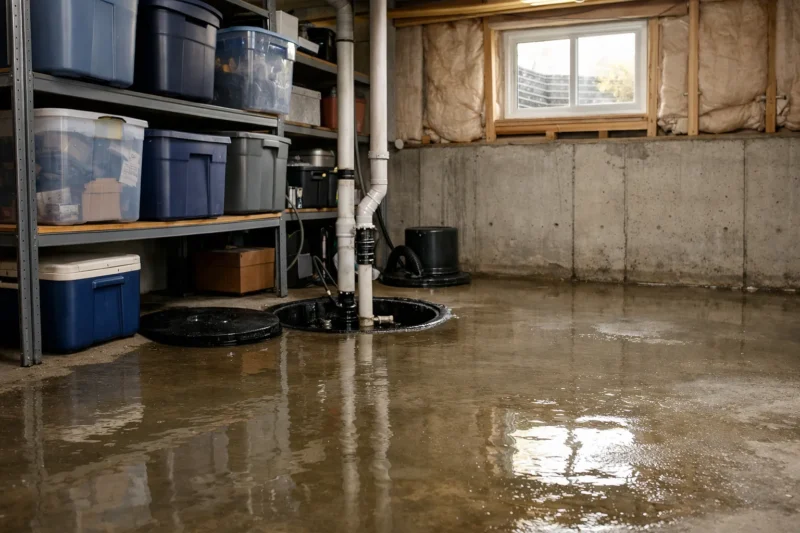
When you find water in the basement, the first few minutes can feel overwhelming. In Northwest Indiana, heavy rain, rapid snowmelt, sump pump trouble, sewer backups, and storm runoff can push water into lower levels before you have time to react. Your instinct may be to start moving belongings or stepping into the water to see where it is coming from, but safety has to come first.
Basement flood cleanup is not just about removing water. It is about protecting people, preventing electrical hazards, reducing contamination risks, documenting the damage, and stopping moisture from spreading into walls, flooring, insulation, and stored items. The steps below will help you make smart decisions before professional help arrives, whether you are in Gary, Hammond, Valparaiso, Portage, Chesterton, or another Northwest Indiana community.
Make Safety Your First Priority Before Entering the Basement
A flooded basement can hide hazards that are not visible from the stairs. Water may be in contact with electrical outlets, extension cords, appliances, a furnace, a water heater, or other systems. Floodwater can also carry sewage, chemicals, bacteria, sharp debris, and building materials that have loosened from the force of water.
Do not walk into standing water until you have a reasonable sense that it is safe. If water is near electrical equipment or you cannot tell whether power is affected, stay out and wait for qualified help. If you smell gas, hear unusual electrical sounds, see sparking, or notice a burning odor, leave the area and contact the appropriate utility or emergency service.
Shut Off Power Only If You Can Do It Safely
If your electrical panel is located in a dry area and you can reach it without stepping into water, turn off power to the affected basement circuits. If the panel is in the flooded area or you would have to stand in water to reach it, do not attempt it. Electrical shock is one of the most serious risks during basement flood cleanup.
The same rule applies to appliances. Do not unplug a wet appliance while standing in water. Do not touch a wet cord, outlet, breaker box, sump pump, washer, dryer, freezer, or HVAC equipment until the area has been evaluated and power is controlled.
Keep Children, Pets, And Unprotected People Away
Even a shallow layer of water can create slip hazards and contamination risks. Keep children and pets out of the basement. If you need to inspect from the stairs, wear protective footwear and avoid direct contact with the water. If the water may be from a sewer line, floor drain, or toilet backup, treat it as contaminated and do not handle it without proper protection.
Identify The Likely Source Without Taking Risks
Understanding where the water may be coming from helps determine the next move, but you do not need to perform a full investigation on your own. Look from a safe, dry location and note what you can see or hear.
Common basement flooding sources in Northwest Indiana include:
- Heavy rainfall overwhelming drainage around the foundation
- Sump pump failure, power loss, or a clogged discharge line
- Water entering through foundation cracks, window wells, or exterior doors
- Backed-up floor drains or sewer lines
- Burst or leaking supply pipes
- Water heater, washing machine, or plumbing fixture failures
- Storm runoff after intense weather moving across saturated soil
Homes across Northwest Indiana often experience a mix of weather-related and plumbing-related water problems. Lake-effect weather patterns, spring thaw, and strong storms can all contribute to saturated ground and overwhelmed drainage. Older homes may also have aging plumbing or foundation vulnerabilities that become noticeable during heavy rain.
If Water Is Still Coming In
If the flooding appears to be from a plumbing line and you can safely reach the main water shutoff, turn it off. This may stop or slow water from a broken pipe, failed supply line, or appliance connection. If the water is entering from outside due to storm conditions, do not try to block it from inside with towels alone. Focus on safety, documentation, and protecting what you can reach without entering danger.
If the flooding is related to severe weather, storm runoff, or widespread property damage, professional support may involve more than water extraction. For weather-driven losses, you can learn more about local disaster and storm restoration in Northwest Indiana and the types of cleanup often needed after major water intrusion.
Document The Damage Before Moving Too Much
Once everyone is safe and you are not putting yourself at risk, take photos and videos from the stairs or another dry area. Documentation can help show the initial condition of the basement before cleanup begins. Capture the water level, affected walls, flooring, furniture, storage boxes, appliances, and visible entry points where water is coming in.
Do not delay emergency measures just to take more pictures, but do capture the basics if it is safe. Good documentation often includes wide shots of the room and closer photos of damaged items. If the water line is visible on a wall, cabinet, or storage container, photograph it.
Keep a simple written list of what you notice. Include the date, approximate time you discovered the flooding, weather conditions if relevant, and any suspected cause such as a sump pump issue, drain backup, or pipe leak. If you speak with a plumber, utility provider, or restoration team, write down the key details of that conversation.
Do Not Throw Away Important Items Immediately
It is natural to want to clear out soaked belongings right away, especially if the basement is finished or used for storage. Before discarding items, document them. If something is unsafe to keep inside, move it only if you can do so without touching contaminated water or risking injury. When in doubt, wait for guidance.
If you plan to file a claim, reviewing the process early can help you stay organized. 911 Restoration of Northwest Indiana provides information about insurance-related restoration support so homeowners can understand what documentation may be useful during a water damage loss.
Protect Belongings You Can Reach From A Dry Area
After safety and documentation, protect items that are not yet wet or are only lightly affected. Do this only from a dry area and only if the water is not contaminated. Do not wade through water to rescue boxes, electronics, or furniture.
If it is safe, consider these steps:
- Move dry valuables from shelves or floor-level storage to an upstairs room.
- Lift lightweight items off the floor if you can reach them without stepping into water.
- Remove area rugs from dry sections before water spreads.
- Place aluminum foil or small blocks under furniture legs that are on damp carpet, if the area is safe to access.
- Separate wet items from dry items to reduce moisture transfer.
- Open closet or cabinet doors in affected dry areas to improve airflow, but avoid contaminated zones.
Basements in Northwest Indiana homes are often used for seasonal storage, tools, family keepsakes, laundry areas, and finished living space. Cardboard boxes, particleboard furniture, carpet padding, drywall, and insulation can absorb moisture quickly. The sooner wet materials are evaluated, the better the chance of limiting secondary damage.
What Not To Do With Wet Belongings
Do not place soaked items on dry carpet or upstairs flooring. Do not run a household vacuum to remove floodwater unless it is specifically designed for wet use and the situation is safe. Do not use fans if the water may contain sewage or if mold growth is already visible, because airflow can spread contaminants.
Electronics that have been in contact with water should remain unplugged. Even if they look dry on the outside, internal components may still hold moisture. Let professionals evaluate appliances and electrical items before reuse.
Start Moisture Control Only When Conditions Are Safe
Moisture can move beyond the visible waterline. It may wick into drywall, baseboards, framing, flooring, and stored materials. A basement can feel dry on the surface while hidden moisture remains inside wall cavities or under flooring. That is why basement flood cleanup often requires water extraction, moisture detection, controlled drying, and removal of unsalvageable materials.
If the water is clean, the electricity is safely controlled, and there is no sewage concern, you may be able to improve ventilation from outside the flooded area. Open windows only when weather conditions make sense. During humid weather, bringing in more damp air may not help. Northwest Indiana summers can be humid, so drying decisions should consider both indoor and outdoor conditions.
Professional drying equipment is different from ordinary household fans. Restoration crews use tools to assess moisture and create drying conditions appropriate for the materials involved. If water has reached drywall, carpet padding, insulation, cabinets, or a finished basement wall system, professional evaluation is especially important.
Know When Floodwater May Be Contaminated
Water from a broken supply line may begin as relatively clean, but it can become contaminated after contact with flooring, stored chemicals, soil, or debris. Water from a sewer backup, toilet overflow with waste, or floor drain backup should be treated as hazardous. Stormwater entering from outside can also carry contaminants from yards, streets, or drainage areas.
If there is any chance of sewage involvement, avoid contact and keep the basement isolated. Do not attempt to sanitize porous items on your own. Sewage cleanup requires careful removal, cleaning, and disinfection procedures to reduce health risks.
Why Professional Basement Flood Cleanup Matters
Water removal is only one part of the process. A basement can look better after standing water is pumped out, yet moisture may remain behind baseboards, under flooring, inside wall assemblies, or around structural materials. If that moisture is not addressed, it can lead to odors, material deterioration, and mold growth.
Professional basement flood cleanup generally focuses on several goals:
- Assessing safety hazards before work begins
- Identifying the water source and contamination level
- Extracting standing water from floors and affected areas
- Removing damaged materials when necessary
- Drying structural components with appropriate equipment
- Cleaning and sanitizing affected surfaces
- Monitoring moisture until the area is ready for repairs
If you are dealing with a flooded basement now, 911 Restoration of Northwest Indiana can help with water damage restoration in Northwest Indiana for homes and businesses affected by leaks, storms, sump pump failures, and other water emergencies.
Finished Basements Need Extra Attention
Finished basements can hide damage behind drywall, trim, carpet, laminate flooring, cabinets, and built-ins. Moisture can travel under flooring and behind baseboards even when only part of the room appears wet. If carpet padding is saturated, it may hold water long after the carpet surface feels less damp.
Do not rely on appearance alone. A wall that looks normal may still be damp inside. A restoration professional can check affected materials and recommend what can be dried, cleaned, removed, or rebuilt.
Storage Basements Have Different Risks
Unfinished basements can still suffer serious damage. Stored paper, clothing, wood furniture, holiday decorations, tools, and cardboard boxes may absorb water or develop odors. Metal shelving and appliances may be exposed to moisture. If the basement contains a furnace, water heater, electrical panel, or other mechanical equipment, have those systems checked before use.
Prepare For The Restoration Team Before They Arrive
While waiting for help, you can make the visit more efficient without putting yourself in danger. Keep the path from the entry door to the basement clear if you can do so safely. Move vehicles from the driveway if access may be needed. Make sure pets are secured away from the work area.
Have important information ready, including:
- When you first noticed the water
- Whether water is still entering the basement
- Any suspected source, such as a sump pump, storm runoff, pipe, or floor drain
- Whether anyone has turned off water or power
- Photos or videos you took before moving items
- Any insurance claim information you already have
- Special concerns, such as medical needs, valuable items, or business equipment
If you are unsure whether a material or item is safe to touch, leave it in place. The restoration team can help determine what should be removed first and what may be salvageable. The goal is to move from emergency control to a clean, dry, safe basement as efficiently as conditions allow.
FAQ
Can I start basement flood cleanup myself?
You can take basic safety and documentation steps if conditions are safe, such as keeping people out, shutting off water from a dry location, and photographing damage. Do not enter standing water if electrical hazards, sewage, strong odors, or structural concerns may be present.
How quickly can mold start after a basement flood?
Mold risk increases when moisture remains in building materials and contents. Because basements often have limited airflow and hidden moisture pockets, prompt water removal and drying are important. If you see visible mold or smell musty odors, avoid disturbing materials and get professional guidance.
Should I use fans after my basement floods?
Only use fans if the water is clean, power is safely controlled, and there is no sign of sewage or mold. Fans can spread contaminants if the water is dirty or if mold is present. Professional drying equipment and moisture monitoring are often needed for walls, flooring, and hidden areas.
What if my sump pump failed during a storm?
Stay out of the water until electrical safety is confirmed, then document the damage and note whether the pump has power. A failed sump pump can allow water to rise quickly, so professional extraction and drying may be needed even after the pump starts working again.
Who should I call for basement flood cleanup in Northwest Indiana?
For safe cleanup, drying, and restoration after a flooded basement, contact a local water damage restoration team. Call 911 Restoration of Northwest Indiana at (219) 255-4163 for help with basement flood cleanup and related water damage concerns.