
Basement Flood Cleanup in Northwest Indiana: First Steps for Gary, Hammond, and Valparaiso Homes
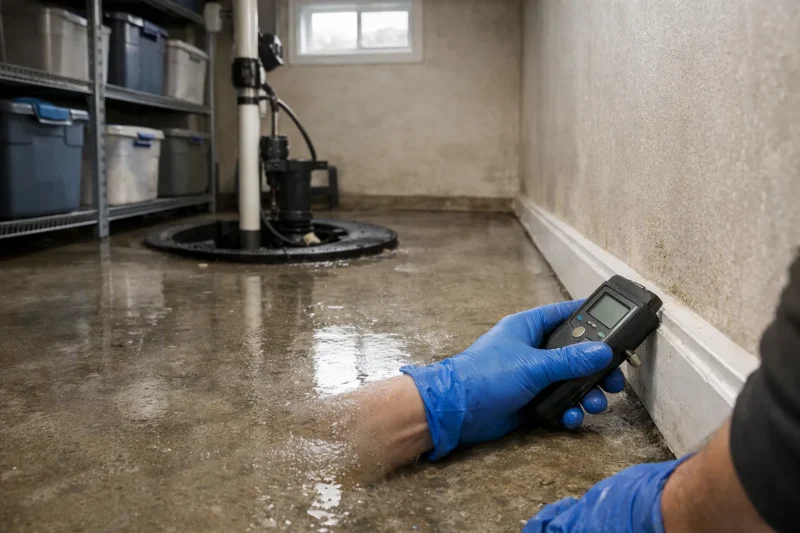
A flooded basement can turn an ordinary day into a stressful emergency. Whether the water came in during a hard rain, backed up through a floor drain, seeped through foundation walls, or spread after a sump pump problem, the first few decisions matter. Before you move boxes, plug in fans, or step into standing water, slow down and make sure the space is safe.
Homes across Northwest Indiana can be vulnerable to basement water because of heavy rain, snowmelt, older foundations, sump pump dependence, and drainage conditions around the property. In Gary and Hammond, many homes have aging plumbing and basement utility areas. In Valparaiso and surrounding communities, finished lower levels and storage spaces can quickly become expensive to clean if moisture is trapped behind walls or under flooring.
The goal of basement flood cleanup is not just to remove visible water. It is to identify the source, protect people from electrical and contamination hazards, dry materials correctly, and reduce the chance of mold or long-term structural damage.
Basement Flood Cleanup: What To Do First
When you discover water in the basement, resist the urge to rush in. Standing water can hide electrical hazards, sharp debris, sewage contamination, weakened flooring, or slippery surfaces. Start with a safety check from outside the flooded area.
Check For Immediate Hazards
Do not enter the basement if water is near electrical outlets, appliances, a breaker panel, extension cords, or powered equipment. If you can safely shut off power from a dry location, do so. If the electrical panel is in the flooded area, stay out and contact a qualified electrician or emergency services as appropriate.
Also stay out if you smell gas, see sparks, notice sagging ceilings, or hear unusual sounds from appliances. Flooded furnaces, water heaters, washers, dryers, and freezers should be treated cautiously until inspected.
Try To Stop The Water Source
If the source is obvious and safe to reach, take simple steps to stop additional water:
- Turn off the main water supply if a pipe, water heater, or appliance line is leaking.
- Move downspouts or extensions away from the foundation if rainwater is pooling near the house.
- Check whether the sump pump is running, but do not handle electrical components while standing in water.
- Avoid flushing toilets or running drains if you suspect a sewer backup.
If water is coming in through walls or the floor during a storm, you may not be able to stop it immediately. In that case, focus on safety, documentation, and getting professional help before damage spreads.
Document The Damage Before Moving Items
If it is safe, take photos or video of the basement from multiple angles before cleanup begins. Capture the water level, affected walls, flooring, furniture, appliances, storage boxes, and anything visibly damaged. Keep receipts for emergency repairs, cleanup supplies, and professional services in case your insurance provider requests them.
Common Causes Of Flooded Basements In Northwest Indiana
Basement water problems are not all the same. The cleanup approach depends on where the water came from and what it touched. Northwest Indiana homes in places like Gary, Hammond, Portage, Chesterton, and Valparaiso can see different combinations of stormwater, plumbing failures, groundwater seepage, and sewer-related issues.
Heavy Rain And Stormwater Intrusion
Strong rain can overwhelm exterior drainage around a home. If gutters are clogged, downspouts discharge near the foundation, or the ground slopes toward the house, water can collect against basement walls and find a path through cracks, window wells, or porous masonry.
After the water is removed, look outside for clues. Soil washout, standing water near the foundation, overflowing gutters, and wet window wells can all point to drainage issues that need attention after the immediate cleanup.
Sump Pump Failure Or Power Interruption
Many basements rely on a sump pump to move groundwater away from the home. A pump can fail because of a mechanical problem, a clogged intake, a stuck float, a discharge line issue, or loss of power during a storm. Even a well-maintained pump can be overwhelmed if water is entering faster than it can be removed.
If the sump pit is full and the pump is not operating, do not reach into the water while power is connected. A professional can help remove water and evaluate whether the pump system contributed to the flooding.
Plumbing Leaks And Appliance Failures
Basements often contain water heaters, laundry connections, utility sinks, and supply lines. A broken pipe or failed appliance connection can release a large amount of water into finished rooms, storage areas, and utility spaces. This type of water may look cleaner than stormwater, but it can still damage drywall, insulation, flooring, and personal belongings quickly.
Sewer Or Drain Backups
If water came up through a floor drain, toilet, shower, or utility sink, treat it as potentially contaminated. Sewage and drain backups require a different cleanup process than rainwater or a supply line leak because bacteria and other contaminants may be present. Avoid contact with the water and keep children and pets away from the area.
If you suspect a backup, review professional sewage cleanup in Northwest Indiana options before attempting to remove materials yourself.
How To Tell Whether Basement Water Is Contaminated
One of the biggest mistakes homeowners make during basement flood cleanup is assuming all water can be handled the same way. The cleaner the source, the more likely certain materials may be dried and salvaged. The more contaminated the source, the more cautious the cleanup needs to be.
Water From A Clean Supply Line
Water from a broken supply pipe or appliance line may begin as relatively clean water. However, once it spreads across floors, touches stored items, mixes with dust, or soaks into porous materials, conditions can change. Quick extraction and drying are still important.
Water From Rain Or Ground Seepage
Stormwater that enters through windows, cracks, or doors can carry soil, pesticides, road residue, insects, and other outdoor contaminants. It may also hide mud and debris under carpet or behind baseboards. Even if it does not smell bad, it should be handled carefully.
Water From Sewers Or Drains
Sewage-related water should be considered hazardous. Do not use household mops, shop vacuums, or towels in a way that spreads contamination through the home. Porous materials such as carpet padding, upholstered furniture, cardboard, and some insulation often cannot be safely cleaned after sewage exposure.
When in doubt, assume the water is less clean than it looks. Protective equipment, containment, proper disposal, and sanitization may be needed.
Drying The Basement Without Trapping Moisture
Removing standing water is only the first stage. Moisture can remain inside wall cavities, under vinyl or laminate flooring, behind baseboards, in carpet padding, and within wood framing. If these areas are not dried correctly, the basement can develop musty odors, staining, warped materials, and mold growth.
Remove Standing Water Safely
If the water is shallow, clearly not contaminated, and there are no electrical hazards, some homeowners begin by removing small amounts with buckets or a wet-rated vacuum. However, large volumes of water, contaminated water, or water near electrical systems should be left to trained technicians with extraction equipment.
For broader water damage concerns, professional water damage restoration in Northwest Indiana can include extraction, drying, moisture checks, and cleanup steps designed for affected building materials.
Increase Airflow The Right Way
Opening windows may help in mild, dry weather, but Northwest Indiana conditions are often humid during warm months. Bringing humid outdoor air into a wet basement can slow drying. Fans and dehumidifiers can help, but only after the water source is controlled and contamination concerns are addressed.
Do not aim household fans at sewage-contaminated areas. Air movement can spread particles and odors into other parts of the home. If the floodwater is suspect, cleanup and sanitization should come before aggressive air circulation.
Pull Back Materials That Hold Water
Carpet, padding, baseboards, drywall, and insulation can all trap moisture. In a finished basement, the visible surface may look dry while the back side remains wet. Professionals use moisture detection tools to determine how far water traveled and which materials need removal, drying, or replacement.
In unfinished basements, moisture can still hide in wood shelving, cardboard boxes, wall framing, and stored furniture. Concrete can also hold moisture even after the surface appears dry.
What To Save, What To Move, And What To Throw Away
Sorting belongings after a basement flood is emotional, especially when storage boxes contain photos, documents, holiday items, tools, or family keepsakes. A careful approach helps you protect salvageable items without spreading moisture or contamination through the rest of the house.
Move Dry Items Out Of The Risk Area
If it is safe to enter, start by moving dry items away from wet floors and walls. Use plastic bins or clean surfaces rather than placing items directly on damp concrete. Keep items grouped by room or category so you can track what was affected.
Prioritize Important Documents And Keepsakes
Paper items can deteriorate quickly when wet. If documents, photos, or books are damp but not contaminated by sewage, separate them gently and place them in a dry area with airflow. Avoid rubbing or peeling stuck pages. For irreplaceable items, ask about specialty restoration options before discarding them.
Be Cautious With Porous Materials
Porous items absorb water and contaminants. These may include:
- Carpet padding
- Cardboard boxes
- Upholstered furniture
- Mattresses
- Fabric storage bins
- Insulation
- Some pressed-wood furniture
If the water was contaminated, many porous materials should not be kept. If the water was from a clean source and the item can be dried quickly, some belongings may be salvageable. The source of the water and the length of exposure both matter.
Do Not Overlook Mechanical Systems
Basements often house furnaces, boilers, water heaters, electrical panels, sump pumps, and laundry appliances. Even if they appear to work after a flood, they should be evaluated before regular use. Water can damage controls, wiring, insulation, burners, and safety components.
When A Flooded Basement Needs Professional Help
Some minor water incidents can be handled with careful drying and cleanup. But many basement floods need professional attention because water moves into hidden areas and contamination risks are not always obvious.
Call for help if any of the following apply:
- Water is deeper than a small, manageable area.
- The source is unknown.
- Water may have touched electrical systems or appliances.
- The flood involved sewage, floor drains, or toilets.
- Walls, carpet, insulation, or finished flooring are wet.
- Musty odors are developing.
- Someone in the home has health concerns that make mold or contaminants especially risky.
- You need documentation for an insurance claim.
Professional restoration crews can extract water, remove damaged materials, set up drying equipment, monitor moisture, clean affected surfaces, and help reduce secondary damage. They can also identify situations where demolition, sanitization, or mold prevention steps are needed.
Local conditions matter. A basement in an older home in Gary may have different materials and utility layouts than a newer finished lower level in Valparaiso. The cleanup plan should fit the structure, the water source, and how far moisture traveled.
Preventing The Next Basement Flood
Once the immediate basement flood cleanup is complete, take time to reduce the chance of another incident. Prevention often starts outside the home, but basement maintenance matters too.
Improve Exterior Drainage
Keep gutters clear and direct downspouts away from the foundation. Make sure soil slopes away from the house where possible. Check window wells after storms and remove leaves, debris, or standing water. If water repeatedly collects near one wall, consider having the drainage pattern evaluated.
Maintain The Sump Pump
Test the sump pump periodically according to manufacturer guidance, especially before stormy seasons. Make sure the discharge line is clear and directs water away from the foundation. If your basement has flooded because of pump failure, ask whether a backup system or alarm makes sense for your property.
Protect Stored Belongings
Use plastic storage bins instead of cardboard for basement storage. Keep valuable items off the floor on shelves, and avoid storing irreplaceable documents directly against exterior walls. In finished basements, consider water-resistant materials where practical, especially in areas that have flooded before.
Watch For Early Warning Signs
Musty odors, peeling paint, efflorescence on masonry, damp baseboards, rust on metal shelving, or recurring condensation can signal moisture problems before a major flood happens. Addressing small signs early can help prevent larger cleanup needs later.
FAQ
Can I clean up a flooded basement myself?
You may be able to handle a very small amount of clean water if there are no electrical hazards and no soaked building materials. However, professional help is recommended when the water source is unknown, the water is contaminated, or moisture has reached walls, flooring, insulation, or appliances.
How fast does a basement need to be dried after flooding?
Drying should begin as soon as it is safe because moisture can spread into hidden materials quickly. The longer water sits, the more likely the basement is to develop odors, material damage, and mold concerns.
Is rainwater in my basement considered dirty?
Rainwater entering through the ground, window wells, cracks, or doors can carry soil and outdoor contaminants. It should not be treated the same as clean tap water, especially if it has spread across floors, touched stored items, or mixed with drain water.
What should I do if water comes up through the floor drain?
Avoid contact with the water and stop using plumbing fixtures if you suspect a sewer or drain backup. Keep people and pets away from the area and contact a restoration professional for safe cleanup and sanitization.
Who should I call for basement flood cleanup in Northwest Indiana?
Call 911 Restoration of Northwest Indiana for help with water extraction, drying, cleanup, and restoration after a basement flood. For local assistance, contact 911 Restoration of Northwest Indiana at (219) 255-4163.
 English
 Spanish