
Commercial Fire Damage Restoration In Portage And Valparaiso: Reopening Safely
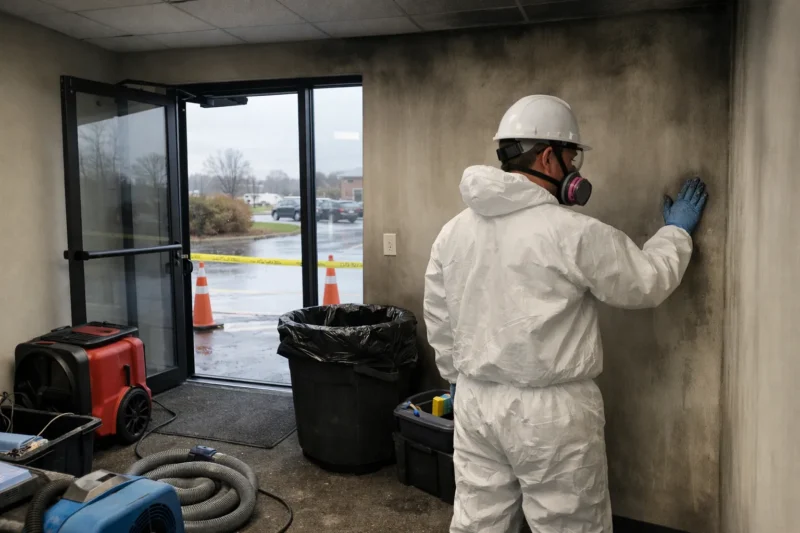
A fire at your business can leave you facing decisions before you have had time to process what happened. The building may look stable from the outside while smoke residue, water from firefighting, electrical concerns, and lingering odors make the inside unsafe for employees, tenants, customers, or inventory.
For business owners and property managers in Portage, Valparaiso, and nearby Northwest Indiana communities, the goal is not simply to clean what is visible. The goal is to reopen safely, protect your people, preserve as much of the property as possible, and avoid hidden damage that can slow recovery later.
Commercial fire damage restoration is a step-by-step process that combines safety evaluation, debris removal, smoke and soot cleanup, water damage mitigation, odor control, contents handling, and repair planning. The right sequence matters because moving too quickly can spread contamination, while waiting too long can allow moisture and residues to cause additional damage.
Why Commercial Fire Damage Restoration Requires A Careful Reopening Plan
A commercial property has different demands than a home. Employees may need work areas, customers may expect access, vendors may have deliveries scheduled, and tenants may need updates. Even a contained fire can disrupt a restaurant kitchen, office suite, retail space, warehouse, medical office, or multi-tenant building.
The first question is usually, “When can we reopen?” The safer question is, “What has to be verified before anyone returns?” Fire damage can affect more than the room where flames were visible. Smoke travels through corridors, ceiling cavities, HVAC systems, shared walls, and storage areas. Soot can settle on surfaces that look clean at first glance. Water used to suppress the fire can migrate into flooring, wall assemblies, and lower levels.
A careful reopening plan helps you address:
- Whether the building has been cleared for entry by the proper authorities
- Electrical, gas, and mechanical system concerns
- Smoke and soot contamination on surfaces and contents
- Water damage from sprinkler activation or hose lines
- Odors that can affect customers and employees
- Temporary containment if part of the building can operate while another area is restored
- Documentation for insurance and internal decision-making
Businesses in Northwest Indiana often deal with fast-changing weather, lake-influenced humidity, and a mix of older commercial buildings and newer developments. After a fire, that moisture in the air can make water damage and odor control more challenging if cleanup is delayed.
First Steps After A Commercial Fire In Portage Or Valparaiso
Once the fire is out, it is natural to want to walk through the property, recover records, or check equipment. Wait until the fire department or appropriate authority confirms it is safe to enter. A building can have weakened materials, contaminated air, wet electrical components, or slippery surfaces even when flames are gone.
Secure The Property Without Disturbing Damage
If doors, windows, roof sections, or exterior walls were affected, temporary board-up or covering may be needed to reduce weather exposure and unauthorized entry. This is especially important for businesses near busy corridors, shopping areas, and industrial zones where a damaged property can attract attention quickly.
Security should not come at the expense of documentation. Before major movement or disposal begins, photograph affected areas when it is safe to do so. Capture wide shots of rooms and closer images of damaged equipment, inventory, fixtures, and building materials. Your restoration team can also help document conditions as mitigation begins.
Protect People From Smoke, Soot, And Electrical Hazards
Employees should not be asked to clean soot, remove debris, or test equipment unless the area has been assessed and they have appropriate protection. Soot can be acidic and may contain contaminants from burned plastics, finishes, fabrics, packaging, and other materials. Handling it improperly can smear residue deeper into surfaces and increase exposure.
Electrical systems, appliances, machinery, and HVAC equipment should be evaluated before use. Turning equipment on too soon can create safety risks or worsen damage. In a commercial setting, this includes office electronics, point-of-sale systems, kitchen equipment, production tools, refrigeration units, and server equipment.
What The Restoration Process Usually Includes
Every fire is different, but commercial fire damage restoration generally follows a logical order. The process starts with stabilization and moves toward cleaning, odor control, repairs, and reopening support. For broader property loss support, business owners can review local commercial property damage restoration services in Northwest Indiana to understand how fire, water, and structural issues often overlap.
Damage Assessment And Scope Planning
The first phase identifies which areas were affected by flame, smoke, soot, heat, and water. Restoration professionals look beyond the obvious burn area to check adjacent rooms, ceiling lines, HVAC pathways, storage spaces, restrooms, and shared building areas.
In multi-tenant properties, smoke can move into neighboring suites or common corridors. In restaurants and industrial spaces, residue may interact with grease, dust, raw materials, or stored products. In offices and retail spaces, porous furnishings and ceiling tiles can hold odors even when walls appear unaffected.
Water Removal And Drying
Fire suppression often leaves behind water. Sprinkler discharge, hose streams, and runoff can soak flooring, drywall, insulation, cabinets, and stored goods. If water remains trapped, it can lead to swelling materials, staining, odors, and mold growth.
Drying a commercial property may require targeted extraction, moisture readings, air movement, dehumidification, and removal of materials that cannot be dried safely. In Northwest Indiana’s humid periods, especially around warmer months, moisture control is a key part of preventing secondary damage.
Soot And Smoke Residue Cleaning
Smoke residue is not one uniform substance. A small electrical fire, a cooking fire, and a fire involving stored merchandise can leave very different residues. Some soot is dry and powdery. Some is oily and smears easily. Some can stain painted surfaces, metal, glass, plastics, and fabrics if the wrong cleaning method is used.
Professional cleaning may include dry removal techniques, surface-specific cleaning agents, HEPA vacuuming where appropriate, and careful treatment of walls, ceilings, floors, fixtures, and contents. The goal is to remove residue without driving it deeper into the material.
If the loss involves significant fire and smoke conditions, it may help to understand the full range of fire damage restoration services in Northwest Indiana available for cleanup, deodorization, and repair coordination.
Odor Control And Air Quality Support
Odor is one of the most common reasons a business feels unready to reopen. Customers may notice smoke odors immediately, and employees may be uncomfortable working in an affected space. Covering odor with fragrance is not a restoration solution.
Effective odor control starts with removing the source: burned debris, contaminated porous materials, soot deposits, and affected contents. After source removal and cleaning, deodorization methods can be selected based on the building, materials, and severity of the odor. HVAC systems may also need attention if smoke traveled through ducts or mechanical rooms.
Contents, Equipment, And Inventory Decisions
Commercial losses often involve more than walls and floors. Computers, files, shelving, tools, merchandise, furniture, records, supplies, and specialized equipment may be affected. Some items can be cleaned and restored. Others may require replacement. Certain items may need evaluation by qualified vendors or manufacturers before reuse.
A restoration plan should separate contents into practical categories:
- Items needed for immediate business continuity
- Items that can be cleaned on-site
- Items that may need off-site cleaning or storage
- Items that should be documented for possible replacement
- Items requiring specialized inspection before use
This organization helps owners and managers make informed decisions instead of discarding too much or keeping items that are not safe or practical to reuse.
Local Considerations For Portage And Valparaiso Businesses
Portage and Valparaiso include a wide range of commercial properties: retail centers, professional offices, restaurants, light industrial buildings, warehouses, medical and service businesses, and older downtown spaces. Each property type can experience fire damage differently.
In Portage commercial properties, businesses may be located near major transportation routes, industrial activity, retail corridors, or mixed-use areas. After a fire, access, security, and continuity planning can become urgent because deliveries, employees, and customer traffic may be disrupted.
In Valparaiso business spaces, restoration may involve offices, restaurants, local shops, multi-tenant buildings, and older structures with materials or layouts that require careful inspection. Smoke can move through shared walls, above ceilings, or into adjoining spaces, so the affected area may be larger than the room where the fire started.
Northwest Indiana weather also matters. Wind-driven rain, humidity, lake-effect moisture, and seasonal temperature swings can complicate an already damaged building. If the exterior envelope is open, temporary protection should happen quickly. If water from firefighting is present, drying should begin as soon as conditions are safe.
Working With Insurance, Landlords, Tenants, And Staff
Commercial fire recovery often involves several parties. The building owner, business owner, tenants, property manager, insurance adjuster, employees, vendors, and local officials may all need information. Clear communication reduces confusion and helps prevent unsafe re-entry.
Start by identifying who is responsible for which decisions. In a leased space, the tenant may be responsible for contents and business property, while the landlord may handle building repairs. In a multi-tenant building, shared systems such as HVAC, electrical, plumbing, and common areas may involve the property owner or manager.
Good documentation supports the process. Keep records of:
- Photos and videos of damage before cleanup progresses
- Dates and details of safety clearances or inspections
- Damaged inventory, equipment, fixtures, and furnishings
- Restoration work performed and materials removed
- Communications with insurance representatives
- Temporary measures such as board-up, tarping, or equipment protection
A restoration team can often provide moisture readings, cleaning notes, inventory documentation, and scope details that help owners and adjusters understand the loss. Avoid throwing away damaged items too quickly unless they pose an immediate safety issue or you have been advised to do so by the appropriate party.
Reopening Safely Without Rushing The Process
Reopening is not always all-or-nothing. In some properties, unaffected areas may be separated from damaged areas with containment, allowing limited operations while restoration continues. In other cases, smoke, utilities, structural concerns, or air handling issues make any occupancy inappropriate until more work is complete.
Before welcoming employees or customers back, confirm that the major safety and comfort issues have been addressed. This may include utility checks, debris removal, soot cleanup, drying verification, odor control, safe access routes, restroom availability, lighting, and HVAC considerations.
For customer-facing businesses, appearance matters as well. Even if an area is technically usable, visible residue, smoke odor, stained ceiling tiles, or damaged flooring can affect confidence. Employees also need clear guidance about which areas are open, which are restricted, and who to contact if they notice odors, moisture, or residue after reopening.
A practical reopening checklist may include:
- Authority clearance for entry and occupancy where applicable
- Temporary repairs completed for weather and security protection
- Water-damaged areas dried or isolated for continued work
- Soot and smoke residue removed from occupied areas
- HVAC concerns evaluated before system operation
- Damaged contents separated from usable contents
- Odor sources removed and deodorization completed as needed
- Walkways, exits, and work areas free from debris and hazards
- Staff informed about restricted zones and reporting procedures
The safest reopening plan is one that balances urgency with discipline. A short delay for proper cleanup can prevent bigger setbacks from odor complaints, moisture problems, contaminated surfaces, or damaged equipment being used too soon.
FAQ
How soon can my business reopen after a fire?
It depends on the extent of fire, smoke, soot, water, and utility damage, as well as any required safety clearance. Some businesses can reopen unaffected areas after containment and cleaning, while others need more extensive restoration before occupancy is appropriate.
Does smoke damage affect rooms that never had flames?
Yes. Smoke can travel through doors, ceiling spaces, ductwork, and shared walls, leaving residue and odor far from the source. A proper inspection should include adjacent rooms, storage areas, and HVAC pathways.
Can my employees clean up soot after a small commercial fire?
It is usually safer to have soot evaluated before anyone begins cleaning. Soot can smear, stain, and contain contaminants from burned materials, and incorrect cleaning can make damage harder to restore.
What should I save for my insurance claim?
Keep photos, videos, damaged item lists, receipts, maintenance records, and restoration documentation. If possible, do not discard damaged business property until it has been documented or you have received guidance from the appropriate insurance or restoration contact.
Who should I call for commercial fire damage restoration in Portage or Valparaiso?
Call a local restoration team that can address fire, smoke, soot, water damage, odor, and commercial property needs together. For help reopening safely, contact 911 Restoration of Northwest Indiana at (219) 255-4163.
 English
  Spanish