
Attic Mold Removal in Northwest Indiana Homes
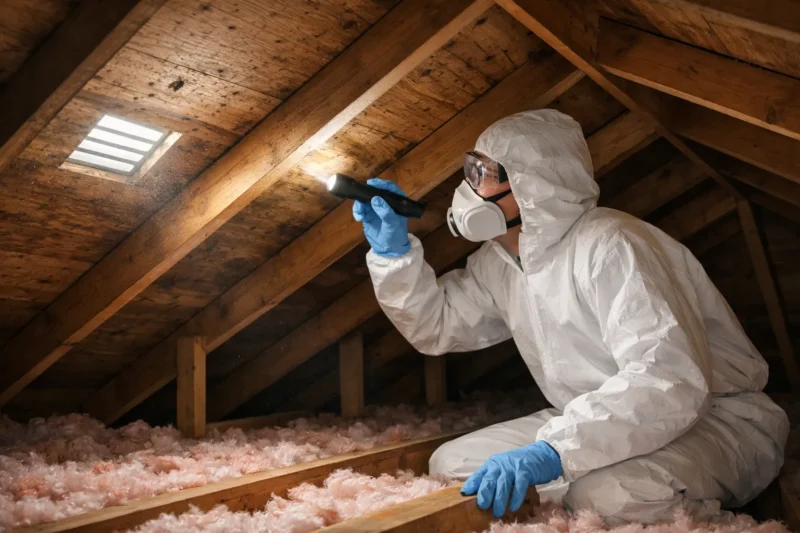
Finding mold in your attic can feel unsettling because the problem is often hidden above living spaces for weeks or months before anyone notices it. A small roof leak, humid air trapped under the roof deck, or a bathroom fan venting into the attic can create the right conditions for mold to spread across sheathing, rafters, insulation, and stored belongings.
In Northwest Indiana, attic mold is especially tied to seasonal swings. Homes in communities such as Gary, Hammond, Portage, Valparaiso, Chesterton, and nearby areas deal with humid summers, cold winters, lake-effect moisture, wind-driven rain, and snow. Those conditions make attic ventilation, insulation, and roof maintenance important parts of mold prevention.
Attic mold removal is not just about wiping away visible spots. A safe plan has to identify the moisture source, protect the rest of the home from cross-contamination, remove or treat affected materials properly, and correct the conditions that allowed mold to grow in the first place.
Why Attic Mold Develops in Northwest Indiana Homes
Mold needs moisture and an organic surface to grow. Attics commonly provide wood framing and roof sheathing, paper-faced insulation, cardboard storage boxes, and dust. When moisture lingers long enough, mold can take hold.
Roof leaks and storm-related moisture
Northwest Indiana homes can be exposed to strong storms, heavy rain, snow, and wind off Lake Michigan. Even a minor roof issue can allow water to enter around flashing, valleys, vents, chimneys, skylights, or damaged shingles. Sometimes the leak does not drip into the living space. Instead, it wets the underside of the roof deck or nearby insulation, creating a hidden moisture problem.
If you see water stains on attic sheathing, damp insulation, rusted nail tips, or dark streaking around a roof penetration, the attic may have had repeated moisture exposure. When water has moved beyond the attic into ceilings or walls, professional water damage restoration in Northwest Indiana may also be needed to dry affected materials correctly.
Bathroom and kitchen exhaust venting into the attic
Bathroom fans, kitchen exhaust, and dryer vents should never terminate inside an attic. These systems carry warm, moisture-rich air. When that air is released under a cold roof deck in winter, condensation can form quickly. In summer, the same extra humidity can keep attic materials damp.
This is one of the most common reasons homeowners discover mold near vents, rafters, or roof sheathing above bathrooms. The solution is not only cleaning the mold. The exhaust must be routed to the exterior so moist air leaves the structure.
Poor attic ventilation
Attics need a balance of intake and exhaust ventilation. Intake vents usually draw air in near the eaves, while roof or ridge vents allow warm, humid air to escape. If soffit vents are blocked by insulation, painted over, covered by debris, or poorly designed, airflow may be restricted.
Without steady airflow, attic humidity can rise. During cold weather, warm indoor air that leaks into the attic can condense on colder wood and nails. During humid months, stagnant air can make it harder for damp materials to dry.
Air leaks and inadequate insulation
Warm air from living spaces can escape into the attic through gaps around recessed lights, plumbing chases, electrical penetrations, attic hatches, and ceiling fixtures. This air carries moisture. When it reaches colder attic surfaces, condensation can develop.
Insulation problems can make the issue worse. Uneven or compressed insulation may allow heat to escape into the attic, warming parts of the roof deck and contributing to moisture imbalance. In winter, that can also contribute to snow melt patterns on the roof, followed by refreezing at colder edges.
Warning Signs That Your Attic May Have Mold
Attic mold is often discovered during a home inspection, roof repair, insulation project, or after a ceiling stain appears. Because the attic is not a space most homeowners check every week, small clues matter.
Common warning signs include:
- Dark, gray, green, brown, or black staining on roof sheathing, rafters, or joists
- Patchy or speckled growth that appears to spread across wood surfaces
- A musty odor near the attic hatch, upstairs hallway, closets, or rooms below the attic
- Condensation on nails, metal vents, or the underside of the roof deck
- Damp, matted, or discolored insulation
- Water stains around vents, chimneys, skylights, or roof penetrations
- Peeling paint or staining on upper-floor ceilings
- Stored cardboard boxes, papers, or fabrics that smell musty or show spotting
Not every dark mark is mold. Some attic staining can come from old water marks, soot, dust, or natural discoloration in wood. However, because disturbing mold can release spores and spread contamination, it is safer to have suspicious areas evaluated rather than scrape, sand, or vacuum them yourself.
When Attic Mold Removal Is Needed
Attic mold removal is needed when visible growth, persistent musty odors, or moisture-related staining indicates that mold has colonized attic materials. The goal is to restore safe conditions while preventing the problem from returning.
Professional help is especially important when mold covers a broad area, appears on porous materials, affects insulation, or is connected to an ongoing leak. It is also important if anyone in the household is sensitive to mold, has respiratory concerns, or if the attic connects to HVAC equipment or ductwork.
Because attics are tight, unfinished spaces with exposed insulation, nails, wiring, and uneven footing, DIY cleanup can be risky. Bleach or household cleaners may discolor surfaces without solving deeper contamination or moisture issues. Spraying chemicals without containment can also create fumes and disturb spores.
A qualified remediation plan should answer several questions:
- Where is the moisture coming from?
- Which materials are affected?
- Can the material be cleaned, or does it need to be removed?
- How will the work area be contained?
- How will dust and spores be controlled during remediation?
- What repairs or ventilation improvements are needed afterward?
For help with inspection and remediation, homeowners can contact a local team that handles mold removal in Northwest Indiana and understands the area’s weather patterns, housing styles, and attic moisture problems.
How Safe Attic Mold Remediation Works
Every attic is different, but safe remediation follows a practical sequence: identify the source, contain the area, remove contamination, clean affected surfaces, and help prevent future growth. Skipping the source correction is one of the main reasons attic mold returns.
Inspection and moisture source identification
The process begins with a careful look at the attic and the surrounding building conditions. The technician may check roof penetrations, ventilation, insulation patterns, exhaust fans, visible leaks, staining, and humidity indicators. The purpose is to understand why the attic became damp.
If moisture is still active, cleanup alone is not enough. Roof repairs, vent corrections, air sealing, or drying may be needed before or during remediation.
Containment and protection of living areas
Attic work can release dust, insulation fibers, and mold particles. Containment helps separate the work area from the rest of the home. Depending on the situation, the team may protect access points, control airflow, and use equipment designed to reduce airborne spread during removal.
This step is especially important in homes where the attic hatch opens into a hallway, bedroom closet, or other regularly used space.
Removal of unsalvageable materials
Some materials cannot be cleaned effectively. Heavily contaminated insulation, damp cardboard, ruined stored items, and certain porous materials may need to be removed and discarded safely. Removing these materials helps reduce the reservoir of mold and moisture in the attic.
Wood framing and sheathing are often evaluated separately. Depending on the extent and condition of the growth, they may be cleaned, treated, or repaired as part of the remediation plan.
Cleaning and treatment of affected surfaces
Professional attic mold remediation may involve HEPA vacuuming, controlled cleaning methods, antimicrobial treatments, and other approaches suited to the material and severity of the contamination. The exact method should be selected based on what is affected, not applied as a one-size-fits-all solution.
Avoid aggressive sanding or dry brushing without containment. Those methods can spread spores through the attic and into living areas if not handled correctly.
Drying and prevention corrections
After cleaning, the attic must stay dry. That may require improving ventilation, unblocking soffits, redirecting exhaust ducts outdoors, sealing attic air leaks, replacing wet insulation, or addressing roof defects. If the attic environment does not change, mold can grow again even after a thorough cleanup.
Homeowners looking for a full-service approach can ask about professional mold remediation services that include both cleanup and guidance on moisture control.
What Homeowners Should and Should Not Do Before Help Arrives
If you suspect attic mold, the best first step is to limit disturbance. Mold spores can become airborne when materials are moved, swept, or sprayed. Attics also create fall hazards, especially when insulation hides joists or wiring.
Steps you can take safely
- Take photos from the attic entrance if you can do so safely without stepping onto insulation or unstable surfaces.
- Note any recent roof leaks, ceiling stains, plumbing issues, bathroom fan problems, or musty odors.
- Keep the attic hatch closed to reduce air movement into the home.
- Avoid storing new items in the attic until the issue is evaluated.
- If a roof leak is active, place a container under drips only if it is safe to access the area.
What to avoid
- Do not spray bleach across attic wood or insulation.
- Do not use a household vacuum on suspected mold.
- Do not remove contaminated insulation without containment and protective measures.
- Do not paint over mold as a substitute for remediation.
- Do not run fans that may blow attic air into living spaces.
It is understandable to want a quick fix, especially if you are preparing to sell a home or have just discovered staining during a project. However, attic mold is a building moisture problem as much as a cleaning problem. The safest results come from addressing both.
How to Help Prevent Attic Mold From Coming Back
Prevention is about keeping the attic dry, ventilated, and separated from indoor humidity. In Northwest Indiana, that means planning for humid summers, cold-weather condensation, rain, and snow.
Helpful prevention habits include:
- Check the attic after major storms for water stains, damp insulation, or new odors.
- Confirm bathroom and kitchen exhaust vents discharge outdoors, not into the attic.
- Keep soffit vents clear of insulation, debris, paint, and stored items.
- Look for roof issues around flashing, vents, chimneys, and valleys.
- Seal gaps around attic hatches, ceiling penetrations, plumbing chases, and fixtures where warm indoor air can escape.
- Replace wet or compressed insulation after the moisture source has been corrected.
- Avoid overloading the attic with storage that blocks airflow.
- Monitor upper-floor rooms for ceiling stains, peeling paint, or musty smells.
Older homes and remodeled homes may need extra attention because past upgrades can change airflow. Adding insulation without maintaining ventilation, installing a new bath fan without proper ducting, or enclosing soffits during exterior work can all create unintended attic moisture problems.
If you are unsure whether your attic has enough airflow, ask a qualified professional to evaluate the ventilation pattern before adding insulation or covering existing vents. More insulation can improve comfort, but only when the attic can still breathe and indoor humidity is controlled.
FAQ About Attic Mold Removal
Can I remove attic mold myself?
Small surface concerns may look simple, but attic mold is easy to spread if disturbed. Because attics contain insulation, exposed wood, limited footing, and hidden air leaks, professional attic mold removal is usually the safer option when growth is visible or widespread.
Does attic mold mean my roof is leaking?
Not always. Roof leaks are one common cause, but attic mold can also come from poor ventilation, bathroom exhaust venting into the attic, condensation, or warm indoor air escaping through ceiling gaps. The moisture source should be identified before cleanup begins.
Will mold come back after remediation?
Mold can return if the attic stays damp or poorly ventilated. Successful remediation includes cleanup plus corrections such as fixing leaks, routing exhaust outdoors, improving airflow, replacing wet insulation, and sealing air leaks from the living space.
Is attic mold dangerous to ignore?
Ignoring attic mold can allow moisture damage to continue and may affect indoor air quality if spores or odors move into living areas. It can also complicate home repairs, inspections, or insulation work. Prompt evaluation helps limit damage and identify the source.
Who should I call for attic mold removal in Northwest Indiana?
Call a local restoration team that handles mold, moisture, and structural drying issues together. 911 Restoration of Northwest Indiana can help assess attic mold concerns and plan safe remediation; call (219) 255-4163.
 Spanish
 English