24 Hour Sewage Cleanup in Northwest Indiana: Health Risks, Costs, and Insurance Questions
A sewage backup is one of the most urgent property problems a homeowner or business owner can face. The mess is unpleasant, but the real concern is what you cannot see: bacteria, viruses, waste residue, soaked building materials, and contaminated moisture that can move under flooring, behind baseboards, and into wall cavities.
In Northwest Indiana, sewage problems can happen after heavy rain, rapid snowmelt, municipal sewer surcharging, aging drain lines, tree root intrusion, or a blockage inside the property. Homes in communities such as Gary, Hammond, Portage, Valparaiso, Chesterton, and nearby areas may have a mix of older plumbing, finished basements, crawl spaces, and slab-on-grade construction, all of which change how cleanup should be handled.
If sewage has entered your living space, do not treat it like ordinary water damage. Keep people and pets away from the affected area, avoid touching contaminated surfaces, and get professional help as soon as possible.
Why 24 Hour Sewage Cleanup Matters After a Backup
Sewage contamination does not become safer with time. The longer contaminated water sits, the more it can soak into porous materials, spread odor, and create conditions for mold growth. A backup that begins in a floor drain, toilet, shower, utility sink, or basement drain can quickly affect flooring, drywall, cabinets, stored belongings, and HVAC components near the impacted area.
That is why 24 hour sewage cleanup is important. Sewage emergencies do not wait for normal business hours, and the first steps taken after a backup can influence how much material can be cleaned, what must be removed, and how far contamination spreads.
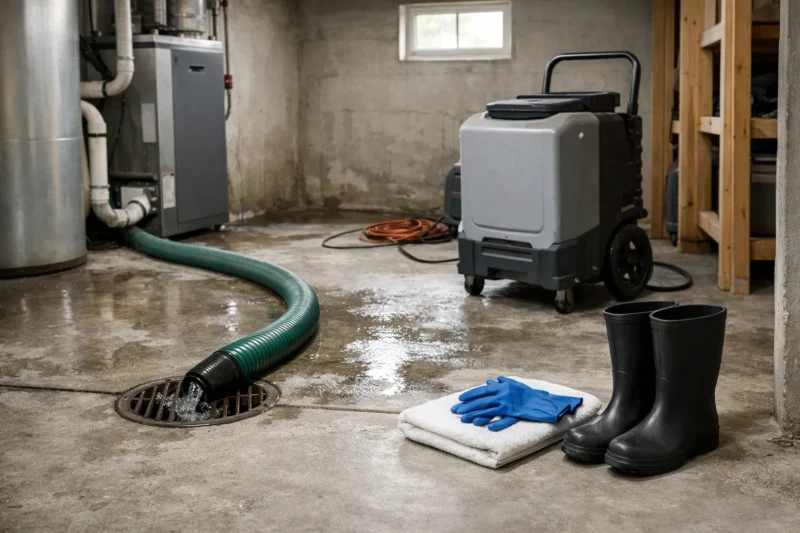
Professional sewage cleanup usually begins with controlling access to the area, identifying the source if it is safe to do so, extracting contaminated water, removing unsalvageable porous materials, cleaning affected surfaces, and drying the structure. When the cleanup is delayed, the job can become more complicated because moisture may migrate into hidden spaces.
If you are dealing with a backup now, you can learn more about local service options for sewage backup cleanup in Northwest Indiana and take immediate steps to limit exposure while help is on the way.
Health Risks You Should Take Seriously
Sewage water is considered highly contaminated because it may contain human waste, bacteria, viruses, parasites, chemicals, and other hazardous materials. Even if the water looks diluted or has started to drain away, residue can remain on surfaces and inside porous materials.
Direct Contact Risks
Touching contaminated water or surfaces can expose you to pathogens through cuts, skin irritation, accidental hand-to-mouth contact, or contact with the eyes and nose. Children, older adults, pregnant people, and anyone with a weakened immune system may be more vulnerable to illness from exposure.
Do not walk through sewage unless it is absolutely necessary for safety. If you must enter the area to shut off water or electricity, wear protective footwear and avoid splashing. Remove contaminated shoes and clothing before walking through clean areas of the property.
Air Quality and Odor Concerns
Sewage odors are more than a nuisance. Odor can indicate contamination, damp materials, and poor ventilation. Disturbing contaminated carpet, drywall, or debris can also send particles into the air. Fans should not be used casually to blow air across sewage-contaminated areas because that can spread contaminants to cleaner spaces.
Mold and Secondary Damage
Northwest Indiana’s humid summers, lake-effect moisture, and seasonal temperature swings can make damp indoor materials harder to dry without the right equipment. After a sewage backup, moisture trapped under flooring or behind walls may lead to mold growth and persistent odor if cleanup is incomplete.
This is especially important in basements and lower levels, where moisture can linger around framing, finished walls, carpet padding, and stored contents. A surface may look dry while the material behind it remains damp.
What To Do Immediately Before Help Arrives
Your first priority is safety. A sewage backup can involve both contamination and electrical hazards, especially if water is spreading near outlets, appliances, extension cords, furnaces, water heaters, or electrical panels.
- Keep children, pets, and unnecessary occupants away from the affected area.
- Do not use toilets, sinks, showers, dishwashers, or washing machines if they appear to worsen the backup.
- Avoid touching sewage water or contaminated belongings with bare hands.
- If it is safe, turn off water to fixtures that are actively overflowing.
- Stay out of rooms where contaminated water is near electrical equipment.
- Take photos or videos from a safe distance for insurance documentation.
- Do not remove contaminated materials into clean areas without containment.
It is also wise to avoid using household bleach as a complete cleanup solution. Disinfectants can help in limited situations, but they do not remove contaminated porous materials, extract hidden moisture, or address contamination that has moved under flooring or into wall assemblies.
If the backup is related to a municipal sewer issue or exterior drain problem, you may also need to contact your local utility or municipality. However, property cleanup and structural drying still need to be handled inside the building.
How Professional Sewage Cleanup Works
Every sewage loss is different, but a professional cleanup process is designed to reduce exposure, remove contamination, and dry the structure. The exact scope depends on where the backup occurred, how long the sewage was present, what materials were affected, and whether contaminated water spread into hidden areas.
Inspection and Safety Controls
The crew evaluates the affected areas, looks for visible contamination, and identifies safety concerns such as electrical hazards, structural issues, or unsafe air quality conditions. Access may be limited to keep occupants away from contaminated zones.
Extraction and Removal
Standing sewage water is extracted using equipment intended for contaminated water. Porous materials that cannot be safely cleaned may need to be removed. This can include carpet, carpet padding, wet insulation, affected drywall, certain flooring materials, and contaminated contents.
Cleaning, Sanitizing, and Deodorizing
Hard, nonporous surfaces may be cleaned and treated according to the conditions of the loss. Odor control is also part of the process because sewage residue can leave persistent smells if it is not removed correctly.
Drying and Moisture Monitoring
After contaminated materials are removed and surfaces are cleaned, structural drying can begin. This step matters because moisture left inside walls, under flooring, or around trim can lead to ongoing damage. Moisture checks help determine whether the affected areas are drying properly.
For property owners who need dedicated cleanup after a contaminated-water event, 911 Restoration of Northwest Indiana provides sewage cleanup services for homes and businesses throughout the region.
What Affects Sewage Cleanup Costs?
It is natural to ask what sewage backup cleanup will cost, but there is no reliable way to give one number without inspecting the property. A small bathroom overflow contained to hard flooring is very different from a basement backup that affected finished walls, storage, carpet, and mechanical areas.
The main cost factors include:
- Amount of contaminated water: More water typically means more extraction, cleaning, removal, and drying.
- Size of the affected area: A single room is usually less complex than a multi-room or multi-level loss.
- Type of materials affected: Tile and concrete may be handled differently than carpet, laminate, drywall, insulation, or wood products.
- How long the sewage sat: Delayed cleanup can allow contamination and moisture to spread farther.
- Access and layout: Tight crawl spaces, finished basements, utility rooms, and commercial restrooms can require different equipment and labor.
- Contents and storage: Boxes, furniture, inventory, documents, and personal belongings may need separate evaluation and handling.
- Repairs after cleanup: Cleanup and drying are separate from rebuilding materials that had to be removed.
In Northwest Indiana, lower-level backups can be especially disruptive because many properties use basements or below-grade spaces for laundry, storage, recreation rooms, and mechanical systems. If sewage reaches those areas, the cleanup may involve both sanitary concerns and practical issues such as protecting appliances, stored belongings, and access to utilities.
The best approach is to have the damage assessed promptly. A clear scope helps you understand what must be removed, what can potentially be cleaned, and what steps are needed before repairs can begin.
Insurance Questions After a Sewage Backup
Insurance coverage for sewage backup cleanup depends on the policy, the cause of the backup, and any endorsements or exclusions that apply. Some property owners have sewer backup or water backup coverage added to their policy, while others may not. Flood coverage is usually handled differently from a plumbing or sewer backup claim, so it is important not to assume one type of water coverage applies to every situation.
What Should You Document?
Before cleanup begins, take photos and videos if you can do so safely. Capture the source area, affected rooms, damaged flooring, wet walls, contaminated contents, and any visible high-water marks. Do not put yourself at risk just to document the loss.
Keep notes about when you discovered the backup, what fixtures were affected, whether you contacted a plumber or municipality, and what steps you took to prevent further damage. Save receipts for emergency expenses related to the event.
Should You Call Insurance First or Cleanup First?
If the situation is actively exposing people to sewage or causing damage, cleanup should not be delayed unnecessarily. You can notify your insurance company as soon as possible, but you also have a responsibility to take reasonable steps to limit additional damage. Many homeowners start both processes close together: calling a cleanup provider and contacting their insurer.
What If the Cause Is Outside the Home?
A sewer backup can come from a private lateral line, a blocked drain, a municipal sewer surcharge, or a combination of issues. The source may affect who is responsible for plumbing repairs and how an insurance claim is reviewed. A restoration company can document the cleanup scope, while a plumber or utility provider may be needed to address the cause of the backup.
If you are unsure how to begin a claim, 911 Restoration of Northwest Indiana offers guidance on working through the insurance process so you can organize documentation and understand next steps.
Reducing the Risk of Another Backup
Not every sewage backup can be prevented, especially when severe weather or municipal sewer conditions are involved. Still, there are practical steps that can reduce risk and help you identify problems sooner.
- Have slow drains, recurring toilet clogs, or gurgling fixtures evaluated instead of waiting for a full backup.
- Keep grease, wipes, paper towels, hygiene products, and other non-flushable items out of drains and toilets.
- Consider having older sewer lines inspected if you experience repeated blockages or root intrusion.
- Make sure sump pumps and drainage systems are maintained where they are part of the property’s water management.
- Store valuables and important documents off the floor in basements and utility rooms.
- Ask your insurance agent whether you have sewer or water backup coverage and what limits apply.
Commercial properties should also have a plan for restroom backups, floor drain overflows, and contamination in customer or employee areas. Restaurants, offices, retail spaces, schools, and industrial properties in Northwest Indiana may need cleanup that protects operations while also addressing health and safety concerns.
Prevention is not only about avoiding damage. It is also about knowing who to call, where shutoff valves are located, and how to keep people away from contaminated areas until trained help arrives.
FAQ
Is sewage backup cleanup safe to do myself?
Small toilet overflows that do not contain waste and are cleaned immediately may be manageable in some cases, but true sewage backups are different. If contaminated water has touched flooring, drywall, cabinets, contents, or a large area, professional cleanup is the safer choice because hidden contamination and moisture are common.
How quickly should sewage cleanup begin?
Cleanup should begin as soon as possible once the area is safe to enter. Waiting can allow contaminated water to soak deeper into materials, increase odor, and raise the chance of secondary damage such as mold.
Will insurance cover 24 hour sewage cleanup?
Coverage depends on your policy and the cause of the backup. Some policies include sewer or water backup coverage through an endorsement, while others exclude certain types of losses, so you should contact your insurer and review your policy details.
Do I need a plumber and a restoration company?
Often, yes. A plumber may be needed to clear the blockage or repair the line, while a restoration company handles contaminated water removal, cleaning, sanitizing, drying, and damaged material removal inside the property.
Can sewage odors remain after the water is gone?
Yes. Odor can remain if contaminated residue, damp porous materials, or hidden moisture are still present. Proper removal, cleaning, deodorizing, and drying are needed to address the source of the smell.
If you need urgent sewage backup help, call 911 Restoration of Northwest Indiana at (219) 255-4163.
 Spanish
 English