
24/7 Storm Damage Restoration Near Me: What To Do After Storm Damage In Northwest Indiana
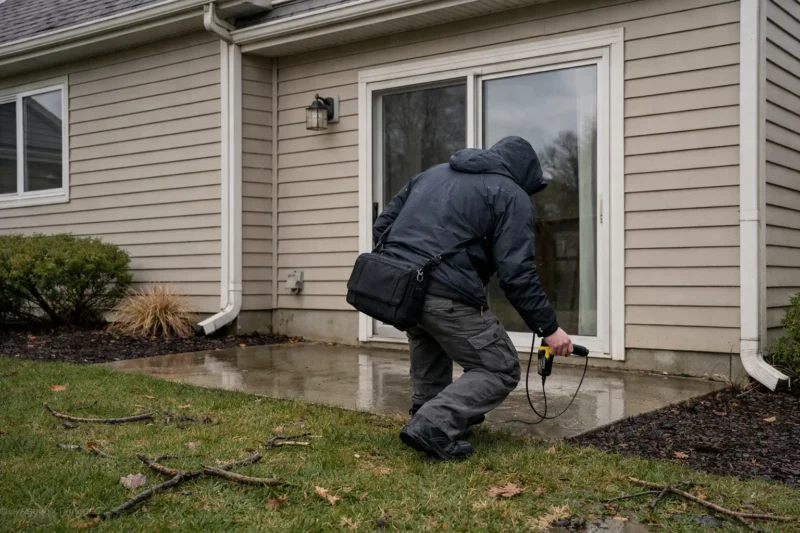
When a storm moves through Northwest Indiana, the damage can feel chaotic: water dripping from a ceiling, shingles scattered in the yard, a sump pump struggling to keep up, or tree limbs blocking access to the home. The first few hours matter, but the safest next step is not always obvious.
Severe thunderstorms, heavy rain, hail, high winds, and lake-effect weather can all leave homes and businesses in Chesterton, Gary, Hammond, Portage, Valparaiso, Whiting, and nearby communities with urgent cleanup needs. Some damage is easy to see. Other damage hides behind drywall, under flooring, in attics, or inside crawl spaces until odors, stains, or mold growth appear later.
If you are dealing with storm damage right now, start with safety, prevent additional damage only when it is safe to do so, document everything, and bring in professional help for water intrusion, structural concerns, sewage exposure, or widespread moisture. A calm, step-by-step approach can protect your property and help you make better decisions under pressure.
Start With Safety Before You Inspect Storm Damage
After a storm, it is natural to want to walk the property and see how bad the damage is. Before you do, pause and look for hazards. Storm damage can create electrical, structural, slip-and-fall, and contamination risks that are not always visible from the doorway.
Check for immediate danger
If you smell gas, see sparks, hear unusual electrical buzzing, or notice major structural movement, leave the area and contact the appropriate emergency services or utility provider. Do not enter a room where the ceiling is sagging, where water is near electrical outlets, or where standing water may be energized.
Watch for hazards such as:
- Downed or low-hanging power lines
- Tree limbs resting on the roof or against the home
- Broken glass, nails, torn metal, and loose siding
- Water around appliances, electrical panels, or extension cords
- Soft flooring, sagging ceilings, or cracked walls
- Contaminated water from sewer backups or exterior flooding
Northwest Indiana homes vary widely, from older houses with basements to ranch-style homes, crawl spaces, and commercial buildings with flat or low-slope roofing. Each property type can fail differently during a storm. Basements may take on water from overwhelmed drainage, crawl spaces may trap moisture, and roof leaks may travel across framing before they show up as a ceiling stain.
Avoid climbing onto the roof
High winds and hail can loosen shingles, flashing, gutters, and roof decking. Even if the roof looks stable from the ground, wet surfaces and hidden damage make roof inspections risky. Use binoculars or take photos from a safe distance if you can, but leave roof tarping, inspection, and repairs to qualified professionals.
What To Do In The First Hour After Storm Damage
Once everyone is safe, focus on limiting additional damage without putting yourself at risk. The goal is not to fully clean or repair the property right away. The goal is to stabilize the situation, preserve evidence, and reduce ongoing water intrusion.
- Move people and pets away from damaged areas. Keep children and pets out of rooms with water, debris, broken glass, or ceiling damage.
- Shut off electricity only if it is safe. If water is near outlets, appliances, or the electrical panel, do not touch anything electrical. Contact a professional or your utility provider.
- Stop the source if possible. If wind-driven rain is entering through a broken window, cover the opening from the inside only if it can be done safely. If a plumbing line was damaged during the storm, use the shutoff valve if accessible.
- Move valuable items out of harm’s way. Relocate dry furniture, electronics, documents, and sentimental items to a dry area if the path is safe.
- Take photos and video before cleanup. Document wide views of rooms, close-ups of damage, standing water, roof leaks, exterior damage, and damaged belongings.
- Call for help when water is spreading. Storm water can move quickly through flooring, wall cavities, insulation, and lower levels of the building.
If the storm caused water intrusion, the situation can worsen even after the rain stops. Wet drywall, insulation, carpet padding, subflooring, and trim can hold moisture. That trapped moisture can lead to odors, staining, material breakdown, and mold concerns if it is not addressed properly.
When To Search For 24/7 Storm Damage Restoration Near Me
Some storm cleanup is manageable with basic household tools, such as picking up small branches or drying a small amount of clean water on a hard surface. Other situations call for immediate professional restoration. If you are searching for 24/7 storm damage restoration near me, it is usually because the damage is active, unsafe, or too widespread to handle alone.
Call a restoration company promptly when you have:
- Water entering through the roof, windows, doors, foundation, or lower level
- Wet carpet, saturated padding, or water under flooring
- Ceiling stains, bubbling paint, sagging drywall, or active dripping
- Flooded basements, crawl spaces, or utility rooms
- Sewage backup after heavy rain
- Storm damage affecting a business, rental property, or multi-unit building
- Moisture in walls, insulation, cabinets, or built-in materials
- Odors that remain after visible water is removed
Professional storm restoration is about more than removing puddles. Trained technicians can assess moisture migration, remove unsalvageable materials, set drying equipment, clean affected areas, and help reduce the chance of secondary damage. For local service information, 911 Restoration of Northwest Indiana provides disaster and storm restoration in Northwest Indiana for homes and businesses affected by severe weather.
The phrase 24/7 storm damage restoration near me also matters because storm damage rarely waits for a convenient time. Heavy rain may hit overnight, winds may damage a roof over a weekend, and sump pump problems may happen when the ground is already saturated. Getting guidance early can help you decide what to do next and what not to disturb.
How Storm Water Moves Through A Northwest Indiana Property
Storm damage is often more complicated than a single leak. Water follows gravity, building materials, and air movement. It can enter in one spot and show up somewhere else, which is why visible damage does not always show the full scope of the problem.
Roof and attic leaks
Wind can lift shingles or damage flashing around vents, chimneys, skylights, and roof edges. Once water enters the attic, it can wet insulation, wood framing, ceiling drywall, and light fixtures. A small ceiling stain may represent a larger wet area above it.
In Northwest Indiana, temperature swings and seasonal storms can add stress to roofing systems over time. After high winds or hail, look from the ground for missing shingles, exposed underlayment, dented gutters, displaced flashing, and debris on the roof. Do not assume the roof is fine just because water is not dripping immediately.
Basements, crawl spaces, and lower levels
Heavy rain can overwhelm gutters, downspouts, drains, sump pumps, and grading around a property. Water may seep through foundation cracks, come up through floor drains, or collect in crawl spaces. Finished basements can hide moisture behind baseboards, paneling, drywall, and flooring.
If you see standing water in a lower level, avoid entering until electrical hazards are ruled out. Water that has traveled across soil, streets, or drains may contain contaminants. When sewage is involved, cleanup requires protective measures and proper removal, not just mopping.
Windows, doors, siding, and exterior openings
Wind-driven rain can push water around window frames, under doors, behind siding, and through gaps in aging exterior materials. Older homes may have settled openings, worn seals, or previous repairs that fail during a strong storm. Commercial properties can also experience leaks around roof penetrations, loading doors, and exterior wall systems.
If you notice water on a windowsill, streaking below a frame, wet drywall near a door, or swelling trim, take it seriously. The surface may dry while moisture remains inside the wall assembly.
Document Damage And Work With Your Insurance Provider
Good documentation can make the recovery process smoother. Before moving items or removing damaged materials, take clear photos and videos when it is safe. Capture the source of the damage if visible, the path of water, damaged belongings, and any steps you took to prevent further loss.
Helpful documentation includes:
- Exterior photos of roof, siding, gutters, windows, trees, and debris
- Interior photos of water stains, wet flooring, damaged ceilings, and affected rooms
- Close-up photos of damaged personal property
- A written list of damaged items
- Receipts for emergency supplies, temporary lodging, or immediate repairs if applicable
- Notes about when the storm occurred and when you discovered the damage
Contact your insurance provider to report the damage and ask what steps they want you to take. Policies differ, and coverage depends on the cause of loss, property conditions, and policy language. Do not throw away damaged materials or belongings until you understand what your insurer needs, unless keeping them would create a safety or sanitation issue.
A restoration company can often provide moisture findings, photos, and repair-related documentation that supports the claim process. If you need general guidance, 911 Restoration of Northwest Indiana has information about working through the insurance process after property damage.
Cleaning Up Without Creating Bigger Problems
It is tempting to start tearing out wet materials immediately. Sometimes removal is necessary, especially when materials are contaminated, structurally damaged, or unable to dry. But aggressive demolition without a plan can spread debris, expose hazards, and complicate documentation.
What you can do safely
If the water is clean, the area is safe, and the damage is minor, you may be able to begin simple mitigation steps while waiting for professional help. Keep your actions limited to what you can do without risk.
- Blot or mop small amounts of clean water from hard surfaces
- Move dry items away from wet areas
- Lift curtains, bedding, and fabrics away from wet floors
- Open interior doors to improve air movement if outdoor humidity and conditions allow
- Place foil or blocks under furniture legs on damp carpet if you can do so safely
Avoid using a household vacuum on standing water unless the equipment is specifically designed for wet use. Do not run fans across sewage, moldy materials, or contaminated floodwater. Air movement can spread particles and odors when cleanup has not been controlled.
Why hidden moisture matters
Storm water can wick into drywall, soak baseboards, settle under vinyl plank flooring, and remain in carpet padding after the surface feels dry. In humid weather, drying can take longer, especially in lower levels and enclosed spaces. Without moisture checks, it is easy to leave damp materials behind.
Professional water damage restoration may include moisture mapping, water extraction, removal of damaged materials, drying equipment, cleaning, and monitoring. If storm water has affected your property, learn more about water damage restoration in Northwest Indiana and why fast drying matters after heavy rain or leaks.
Preventing Secondary Damage After The Storm Passes
Once the immediate emergency is under control, the next priority is preventing secondary damage. This includes mold growth, lingering odors, structural deterioration, and recurring leaks. Storm restoration should address both the visible damage and the conditions that allowed water to spread.
After the first cleanup, continue watching for signs that moisture remains:
- Musty odors in rooms, closets, basements, or crawl spaces
- New stains on ceilings or walls
- Peeling paint or bubbling drywall tape
- Warped flooring, cupping wood, or soft spots underfoot
- Condensation on windows or cold surfaces
- Increased allergy-like irritation when spending time in the affected area
If you notice these signs, do not cover them with paint, new flooring, or fresh trim until the moisture source is found and corrected. Covering damp materials can trap moisture and make the eventual repair more invasive.
Reduce future storm vulnerability
After restoration is complete, consider practical maintenance steps that can reduce the chance of future storm damage. These do not eliminate risk, but they can help water move away from the property and make problems easier to spot.
- Keep gutters and downspouts clear of leaves, shingle granules, and debris
- Direct downspouts away from the foundation where practical
- Trim weak or overhanging branches near the roofline
- Check attic areas for daylight, staining, or damp insulation after severe weather
- Inspect window and door seals periodically
- Test sump pumps before rainy seasons when your property has one
- Address small roof or siding repairs before the next storm system
For business owners, storm planning is especially important. A leak in a warehouse, storefront, office, or multi-unit property can interrupt operations and affect employees, tenants, customers, and inventory. Having a restoration contact ready before the next storm can reduce confusion when fast decisions are needed.
FAQ
What should I do first after storm damage in Northwest Indiana?
Make sure everyone is safe, stay away from electrical hazards and unstable areas, and avoid entering standing water until it is safe. Then document the damage with photos and video before moving items or beginning cleanup. If water is spreading or the structure may be compromised, call for professional help.
How do I know if storm water caused hidden damage?
Hidden damage may show up as musty odors, stains, bubbling paint, warped flooring, damp trim, or recurring moisture in a lower level. Water can travel behind walls, under flooring, and through insulation. A restoration professional can check moisture levels in materials that may look dry on the surface.
Should I call my insurance company or a restoration company first?
If there is immediate danger, address safety first. Many property owners contact both their insurance provider and a restoration company early: the insurer explains claim requirements, while the restoration team helps limit further damage. Take photos before cleanup whenever it is safe.
Is it safe to clean up storm water myself?
Small amounts of clean water on a hard surface may be manageable if there are no electrical or structural hazards. Avoid DIY cleanup when water is contaminated, sewage is involved, materials are saturated, or the source is unclear. Professional equipment and containment may be needed to dry and clean the property properly.
When should I look for 24/7 storm damage restoration near me?
Search for 24/7 storm damage restoration near me when storm damage is active, unsafe, or spreading, such as roof leaks, flooded rooms, saturated flooring, or sewage backup. Getting help quickly can reduce secondary damage and make the recovery process more organized.
If your home or business has storm damage, call 911 Restoration of Northwest Indiana at (219) 255-4163 for help with cleanup, drying, and recovery.
 Spanish
  English